Why the Scale Doesn’t Tell the Whole Story
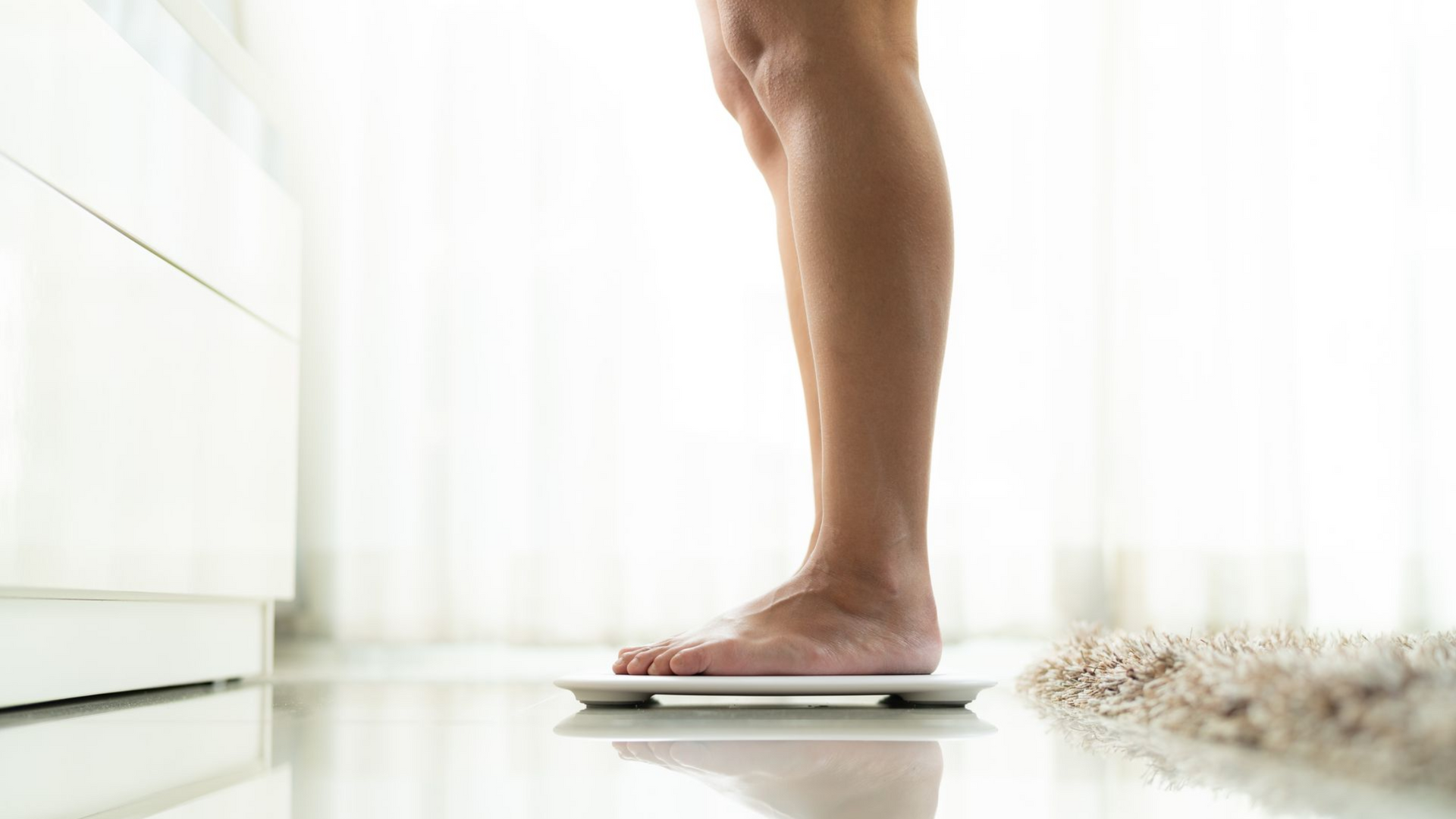
When working toward health and fitness goals, it’s easy to let the number on the scale control how you feel. If the number goes down, you feel successful. If it stays the same or goes up, you may feel frustrated, discouraged, or like your hard work is not paying off.


But the truth is, the scale only tells you one small part of the story.


Your weight does not show your strength, energy, confidence, body composition, or the healthy habits you are building. At Simply Fit, the focus is not just on losing weight. The goal is to help women build stronger, healthier, fitter bodies from the inside out.


The Scale Measures Weight, Not Progress

The scale measures your total body weight at one moment in time. That number includes muscle, fat, water, food, hormones, inflammation, and more.


It does not tell you how much stronger you are getting. It does not show that your clothes are fitting better. It does not reflect the fact that you are moving more, eating better, sleeping better, or feeling more confident.


That’s why weighing yourself can sometimes feel misleading. You may be making real progress even if the number has not changed much.


Body Composition Matters More Than Body Weight

One of the most important things to understand is the difference between weight loss and fat loss.


Weight loss simply means the number on the scale goes down. Fat loss means your body is changing in a healthier, more meaningful way.

Through strength training, balanced nutrition, and consistency, you can lose body fat while gaining lean muscle. When this happens, the scale may not move quickly because muscle is more dense than fat. However, your body can still look leaner, feel stronger, and fit differently in your clothes.


This is why body composition is so important. The goal is not just to weigh less. The goal is to build a stronger, healthier body.


Muscle Is a Good Thing

Many women worry that strength training will make them bulky, but building lean muscle is one of the best things you can do for your health and fitness.


Muscle helps support your metabolism, improves strength, protects your joints, supports bone health, and helps your body feel more capable in everyday life.


As you build muscle and reduce body fat, your shape may change even when the scale does not drop dramatically. This is a sign of progress, not failure.


Daily Weight Changes Are Normal

Your weight can change from day to day for many reasons that have nothing to do with fat gain.


Water retention, salty foods, hormones, stress, sleep, digestion, travel, and workouts can all cause the scale to move up or down. Even a tough strength training session can temporarily increase water retention as your muscles recover.


This is why it’s important not to let one weigh-in determine how you feel about your progress.


Look for Non-Scale Victories

Some of the best signs of progress have nothing to do with the scale.


You may notice that your clothes fit better, your energy is improving, your workouts feel stronger, or you are able to lift heavier weights. You may sleep better, feel more confident, have better endurance, or recover faster after exercise.


These changes matter. They show that your body is responding, adapting, and getting healthier.


Non-scale victories are often the clearest reminder that your hard work is paying off.


Consistency Creates Results

Real change takes time. It comes from showing up consistently, making better choices, building strength, and creating habits that fit your lifestyle.


The scale may move slowly. It may fluctuate. It may even stay the same for periods of time. But that does not mean nothing is happening.


When you stay consistent with your workouts, nutrition, hydration, and recovery, your body continues to change in ways that go far beyond a number.


A Healthier Mindset Around Progress

Instead of asking, “What does the scale say?” try asking:

How do I feel?
Am I getting stronger?
Do I have more energy?
Are my clothes fitting better?
Am I being more consistent?
Am I taking better care of myself?


These questions give you a much better picture of your overall progress.


Your fitness journey should not be defined by one number. It should be about becoming stronger, healthier, and more confident in your body.


The Simply Fit Approach

At Simply Fit, the focus is on building a healthier lifestyle that supports long-term results. Through strength training, cardiovascular interval training, supportive nutrition, accountability, and encouragement, women can work toward their goals in a way that feels realistic and sustainable.

The scale may be one tool, but it is not the whole story.


Your strength matters. Your confidence matters. Your consistency matters. Your health matters.


Ready to Focus on More Than the Scale?

If you’re tired of letting the scale decide how you feel, Simply Fit is here to help you look at the bigger picture.


Contact us today to start building a stronger, healthier, more confident you.
Making realistic choices, and staying consistent in a way that fits your lifestyle.
By Crystal Demers June 15, 2026
Staying on track does not mean missing out. It means finding balance, making realistic choices, and staying consistent in a way that fits your lifestyle.
When life gets busy, snacks can either help you stay on track or leave you feeling hungry again an h
By Crystal Demers June 5, 2026
When life gets busy, snacks can either help you stay on track or leave you feeling hungry again an hour later. That’s why high-protein snacks are such a smart choice, especially if your goals include fat loss, building strength, improving energy, or simply making better food choices throughout the day.
By Crystal Demers May 20, 2026
Why the Simply Fit Approach Works: Training, Nutrition, Mindset, and Accountability Together
By Crystal Demers March 28, 2026
As we age, we naturally begin to lose muscle mass. This gradual loss of muscle directly affects metabolism because muscle is metabolically active tissue. The more muscle you have, the more calories your body burns throughout the day — even at rest. When muscle decreases, your metabolism slows, your daily calorie burn d
By Crystal Demers March 10, 2026
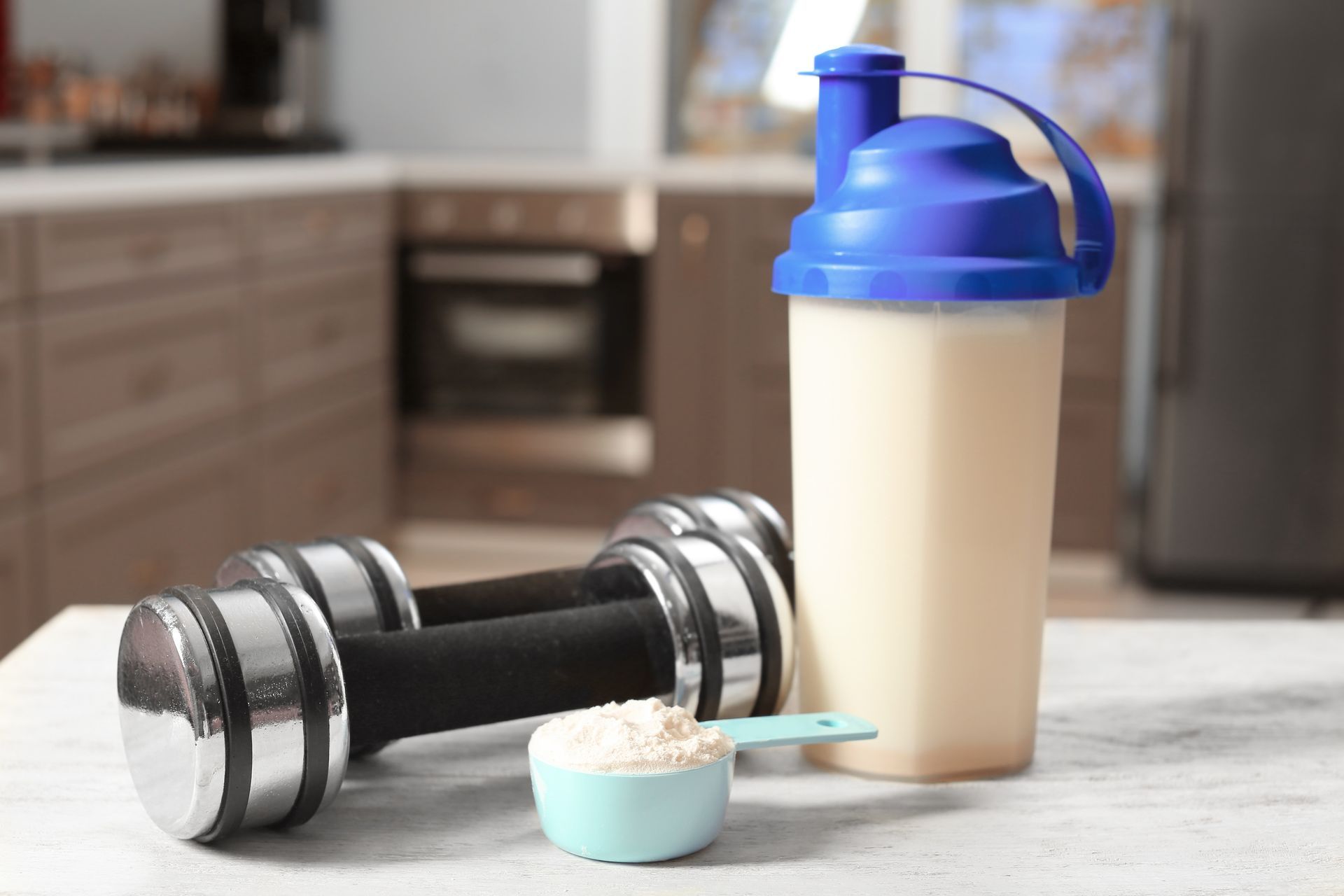
One of the most common questions we hear is: Should I eat before I work out? The short answer? In most cases — yes . But what you eat, how much you eat, and when you eat it can make a big difference in how you feel and perform during your workout. If your goal is fat loss, strength building, or simply feeling energized instead of drained, understanding pre-workout nutrition is key. Why Eating Before a Workout Matters Your body needs fuel to perform. When you exercise — especially during strength training — your body primarily uses stored carbohydrates (glycogen) for energy. If those stores are too low, you may feel fatigued, lightheaded, weak, or unable to push yourself. Skipping meals before a workout can lead to: Lower energy Reduced strength output Poor recovery Increased muscle breakdown If you’re training hard but under-fueled, you’re not getting the full benefit of your workout. What Should You Eat Before a Workout? The best pre-workout meal or snack includes a combination of protein and carbohydrates. Carbohydrates provide quick energy. Protein helps preserve muscle and supports recovery. A few simple examples include: Greek yogurt with fruit A protein shake and a banana Toast with peanut butter Oatmeal with protein powder mixed in Eggs and a small portion of fruit You don’t need anything complicated or fancy. The goal is balanced fuel that’s easy to digest. How Long Before a Workout Should You Eat? Timing depends on how much you’re eating. If it’s a full meal, aim for about 2–3 hours before your workout. If it’s a small snack, 30–60 minutes beforehand is usually ideal. Everyone’s digestion is a little different, so this may take some experimenting. If you feel sluggish or uncomfortable, adjust timing or portion size. What If You Work Out Early in the Morning? This is common — especially for busy women balancing work and family. If you’re training first thing in the morning and don’t feel hungry, a small, easy-to-digest snack like half a banana, a few bites of yogurt, or a protein shake can be enough. Even a little fuel can improve performance compared to training completely fasted. Some women feel fine working out without eating first, especially for lighter sessions. However, for strength training and higher-intensity workouts, having at least a small amount of fuel usually leads to better results. Does Eating Before a Workout Slow Fat Loss? This is a major myth. Eating before a workout does not prevent fat loss. In fact, being properly fueled can help you train harder, lift heavier, and preserve muscle — all of which support fat loss long term. The key is your total daily nutrition, not whether you eat immediately before exercising. Under-eating consistently can actually slow metabolism, increase cravings, and stall progress. Proper fueling supports sustainable results. The Bottom Line If you want stronger workouts, better energy, improved recovery, and long-term fat loss, eating before your workout is usually a smart choice. You don’t need a large meal. You don’t need supplements. You just need simple, balanced fuel that supports your body. At Simply Fit, we don’t just focus on workouts — we help you understand how to fuel your body for real results. Strength training paired with proper nutrition is what creates lasting change. If you’re ready to stop guessing and start seeing progress, call us at (603) 560-9303 or visit us at 11 Manchester Road in Derry to schedule your first session. Let’s train smarter — and stronger — together!
By Crystal Demers February 9, 2026
Creatine is one of the most researched supplements in the fitness world—yet it’s still surrounded by myths, especially when it comes to women. Many women wonder: Will it make me bulky? Is it safe? Do I even need it? Let’s break down exactly what creatine does for women, the real benefits, potential side effects, and how to use it effectively. What Is Creatine? Creatine is a naturally occurring compound found in your muscles and brain. Your body produces it on its own, and you also get small amounts from foods like red meat and fish. Its primary role is helping your body produce energy—specifically during short bursts of high-intensity activity like strength training, sprinting, or interval workouts. Benefits of Creatine for Women 1. Increased Strength and Performance Creatine helps your muscles regenerate energy faster, which can lead to: Lifting heavier weights Completing more reps Improved performance during high-intensity workouts This doesn’t mean getting bulky—it means getting stronger. 2. Improved Lean Muscle Tone Creatine supports muscle development by allowing you to train harder and recover faster. For women, this typically results in: Better muscle definition A firmer, more toned appearance Improved metabolism due to increased muscle mass 3. Better Workout Recovery Creatine can help reduce muscle soreness and speed up recovery between workouts, making it easier to stay consistent with your training routine. 4. Cognitive and Mood Benefits Emerging research shows creatine may support brain health, focus, and mental fatigue—especially helpful for busy women balancing workouts, work, and family life. 5. Bone and Muscle Health as You Age Strength training is essential for long-term health, and creatine can support muscle and strength maintenance as women age, helping protect mobility and bone health. Common Myths About Creatine and Women “Creatine causes weight gain.” Creatine may cause a small increase in water retention inside the muscles—not fat gain. This often improves muscle fullness and performance, not the number on the scale long-term. “Creatine makes women bulky.” Women do not have the testosterone levels required to become bulky from creatine. Instead, it supports strength and lean muscle tone. “Creatine isn’t safe for women.” Creatine is one of the most studied supplements available and is considered safe for healthy adults when taken as directed. Potential Side Effects Creatine is well-tolerated by most people. Some women may experience: Mild bloating when first starting Digestive discomfort if taken in large doses at once Drinking enough water and sticking to the recommended dose helps minimize these effects. How Should Women Take Creatine? Recommended dose: 3–5 grams per day Timing: Any time of day works—many women take it post-workout or with a meal Loading phase: Not necessary Best type: Creatine Monohydrate (simple, effective, and well-researched) Consistency matters more than timing—daily use delivers the best results. Is Creatine Right for You? If you strength train, want to feel stronger, recover faster, and get more out of your workouts, creatine can be a powerful (and affordable) addition to your routine. As always, check with your healthcare provider if you have any medical conditions or concerns. Creatine isn’t just for bodybuilders—it’s a practical, science-backed supplement that can help women feel stronger, more confident, and more capable in their workouts and daily life. At Simply Fit, we focus on sustainable strength, confidence, and long-term health—not quick fixes or extremes.
By Crystal Demers February 9, 2026
Collagen has become one of the most talked-about supplements in wellness—and for good reason. From joint health to skin support, collagen plays a key role in how our bodies move, feel, and age. But what exactly is collagen, and how can it support your fitness and overall health? Let’s break it down in a simple, practical way. What Is Collagen? Collagen is the most abundant protein in the human body. It acts as a structural “glue,” helping support: Joints and ligaments Muscles and connective tissue Skin, hair, and nails Bones and tendons As we age, natural collagen production declines—typically starting in our mid-20s—which can impact recovery, joint comfort, and skin elasticity. Benefits of Collagen for Women 1. Joint and Tendon Support Collagen helps maintain the health of connective tissues that support your joints. For women who strength train, walk regularly, or stay active, collagen may help: Support joint comfort Improve tendon and ligament strength Reduce stiffness during movement 2. Improved Workout Recovery Collagen provides amino acids that support tissue repair, which can help your body recover more efficiently between workouts—especially important as training intensity increases. 3. Skin, Hair, and Nail Health Collagen is best known for its beauty benefits, including: Supporting skin elasticity and hydration Stronger hair and nails Reduced appearance of fine lines over time While collagen isn’t a magic fix, consistent use can support overall skin health from the inside out. 4. Bone Health Collagen makes up a significant portion of bone structure. Combined with strength training, adequate protein intake, and proper nutrition, collagen can support long-term bone health—especially important for women as they age. 5. Gut Health Support Some women find collagen helps support gut lining integrity, which may be beneficial for digestion and overall wellness. Collagen vs. Protein Powder: What’s the Difference? Collagen is a protein, but it’s not a complete protein, meaning it doesn’t contain all essential amino acids needed for muscle building. This makes it: A great supplement to protein, not a replacement Best used for joint, skin, and connective tissue support For muscle growth and strength, collagen should be paired with high-quality protein sources like whey, plant-based protein, or whole foods. How Should Women Take Collagen? Recommended dose: 10–20 grams per day Timing: Any time of day—many women add it to coffee, smoothies, or oatmeal Type to look for: Hydrolyzed collagen peptides Tip: Taking collagen with vitamin C can help support collagen synthesis Consistency matters—benefits are typically noticed after several weeks of regular use. Are There Any Side Effects? Collagen is generally well tolerated. Some women may experience: Mild digestive discomfort A feeling of fullness Choosing a high-quality product and starting with a smaller dose can help minimize these effects. Is Collagen Right for You? Collagen can be a great option if you’re: Strength training or staying active Experiencing joint stiffness or discomfort Interested in supporting skin, hair, and nail health Focused on long-term mobility and wellness As always, consult with a healthcare provider if you have allergies or specific medical concerns. Final Thoughts Collagen isn’t about quick fixes—it’s about supporting your body from the inside out. When combined with strength training, proper nutrition, and consistency, collagen can play a supportive role in helping women feel stronger, move better, and age with confidence. At Simply Fit , we believe fitness is about longevity, strength, and feeling good in your body—today and for years to come. Want guidance on supplements, strength training, and building a routine that supports your long-term health? The trainers at Simply Fit are here to help. Contact us today to schedule a consultation and start building strength that lasts.
By Crystal Demers January 10, 2026
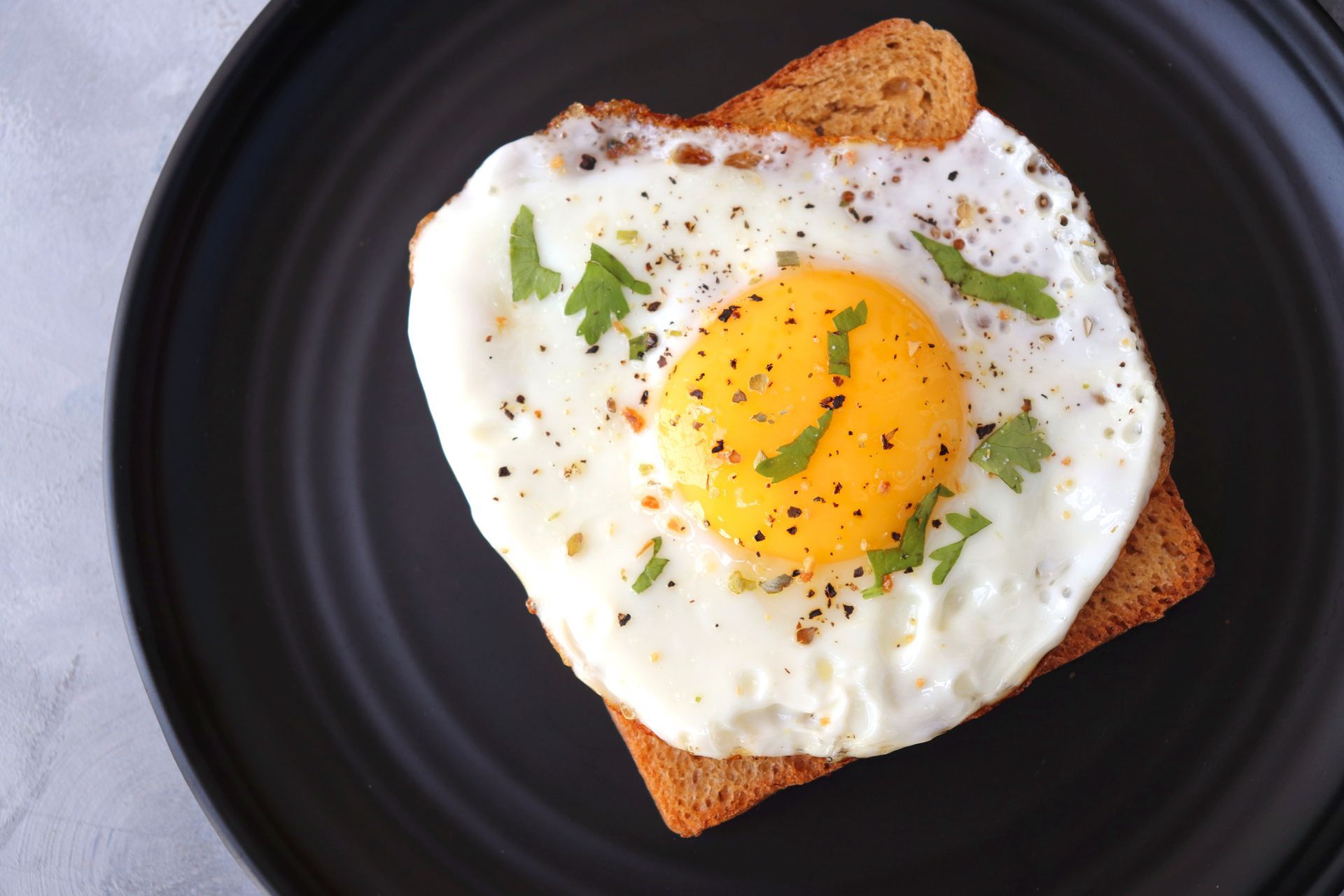
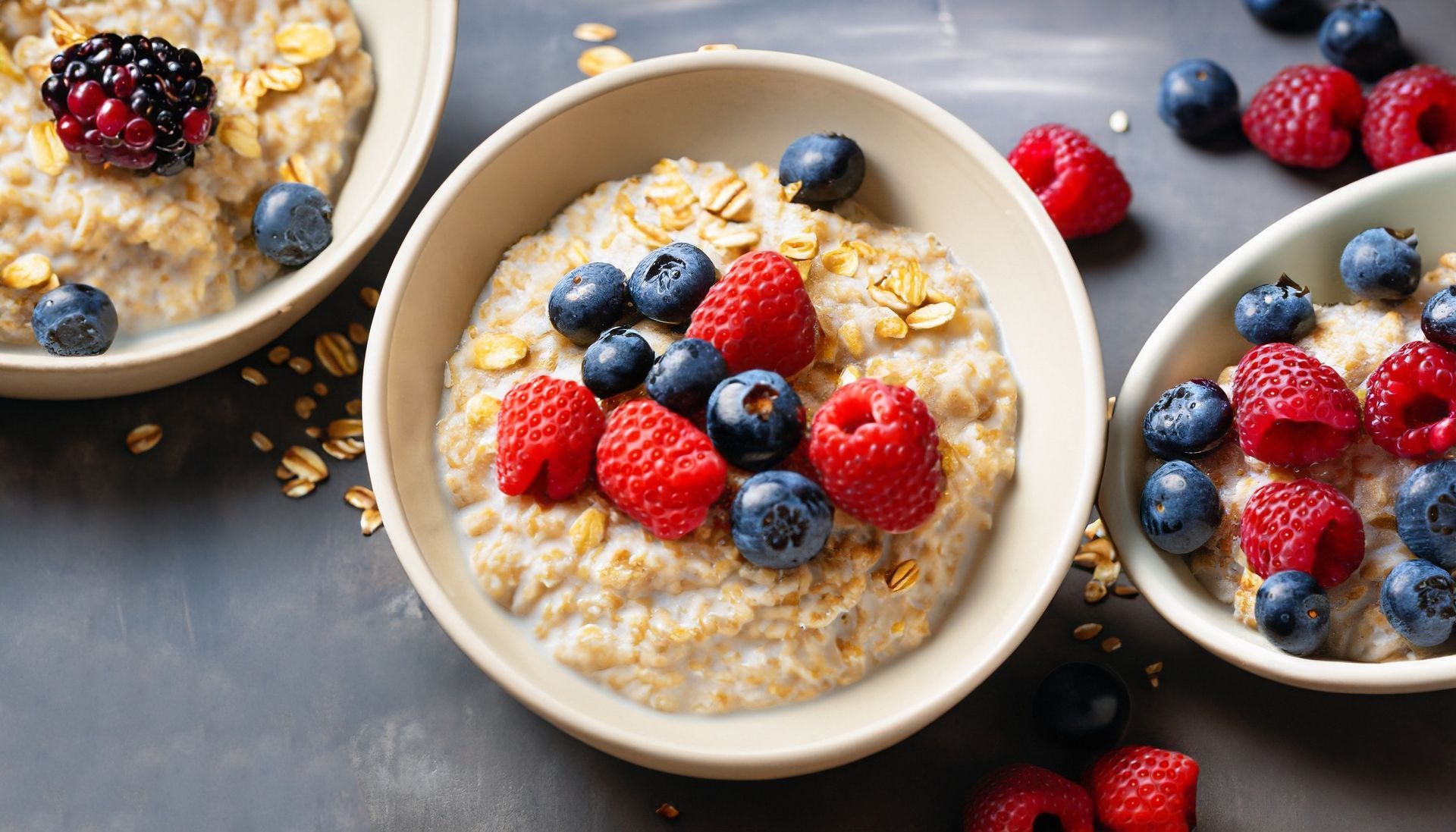
Working out consistently is only half the battle—what you eat before and after your workouts can make a huge difference in your energy, performance, and recovery. Choosing the right snacks at the right time helps your body perform at its best and bounce back faster. Whether you’re hitting the gym, taking a fitness class, or squeezing in a quick home workout, these simple snack ideas will keep you fueled and ready to go. Why Timing and Nutrients Matter Pre-Workout: Your body needs carbohydrates for energy and a small amount of protein to prevent muscle breakdown. Eating too close to your workout can leave you feeling sluggish, so aim to snack 30–60 minutes before exercising . Post-Workout: After exercising, your muscles need protein to repair and grow, and carbohydrates to replenish glycogen stores. A post-workout snack within 30–60 minutes after your session can maximize recovery and set you up for your next workout. Easy Pre-Workout Snack Ideas Banana with Almond Butter – Quick carbs from the banana give you energy, and the almond butter adds a bit of protein and healthy fat. Oatmeal with Berries – A small bowl of oats provides long-lasting energy, while berries add antioxidants. Rice Cakes with Peanut Butter and Sliced Banana – Light on the stomach but packed with fuel for your muscles. Greek Yogurt with Honey and Fruit – Protein plus simple carbs make a balanced pre-workout snack. Quick Post-Workout Snacks for Recovery Greek Yogurt with Berries – Protein for muscle repair and antioxidants for recovery. Protein Shake with Banana or Berries – Fast and easy for on-the-go refueling. Cottage Cheese with Pineapple – Cottage cheese provides casein protein for muscle repair, and pineapple adds carbs and anti-inflammatory enzymes. Whole-Grain Toast with Avocado and Egg – A satisfying mix of carbs, protein, and healthy fats. Tips for Busy Women Prep in advance: Keep pre-portioned snacks ready in the fridge or pantry. Grab-and-go options: Bananas, protein bars, single-serve yogurt, or trail mix are perfect for on-the-run fuel. Listen to your body: Some people prefer a lighter snack if their workout is soon, while others need more substantial fuel.  Eating the right snacks at the right times can make your workouts more effective, help your muscles recover faster, and keep your energy levels steady throughout the day. Try these simple, nutritious options and see how much better you feel during and after your workouts.
By Crystal Demers January 10, 2026
Every New Year starts with the best intentions. You’re motivated, committed, and ready to finally put yourself first. But by February, many people find themselves falling off track—not because they don’t care, but because they’re trying to do it alone. That’s where Simply Fit makes the difference. Motivation That Doesn’t Fade After January Motivation isn’t something you either have or don’t have—it’s something that’s built through routine, support, and encouragement. At Simply Fit, you’re surrounded by trainers and members who genuinely want to see you succeed. That positive environment helps keep your energy high even on the days you don’t feel like showing up. When you know people are expecting you, it’s easier to stay consistent. Accountability That Works One of the biggest reasons fitness resolutions fail is lack of accountability. Simply Fit provides structure and guidance so you’re not left guessing what to do or whether you’re doing it right. Having a plan, regular check-ins, and professional support keeps you focused and moving forward—without feeling overwhelmed. A Plan Designed for Real Life Simply Fit understands that life is busy. You don’t need to spend hours in the gym to see results. Workouts are designed to be effective, efficient, and adaptable to your schedule. Whether you’re just starting out or getting back into a routine, you’ll have a plan that fits your lifestyle and your goals. A Comfortable, Supportive Environment Walking into a gym can feel intimidating—especially if you’re new to fitness or returning after time off. Simply Fit offers a welcoming, judgment-free space where you can focus on yourself without feeling pressured or out of place. Confidence grows when you feel supported, not judged. Results Beyond the Scale At Simply Fit, progress is about more than numbers. Members often notice: Increased strength and energy Improved confidence Better consistency Reduced stress A stronger, healthier mindset These wins add up—and they’re what help turn short-term resolutions into long-term habits. Make This the Year You Stay Consistent If your New Year’s resolution is to feel stronger, healthier, and more confident, Simply Fit is here to help you make it happen. With expert guidance, built-in accountability, and a community that supports you every step of the way, you won’t be doing it alone.  Ready to turn your New Year’s motivation into lasting results? 
Join Simply Fit and start building habits that actually stick.
By Crystal Demers December 5, 2025
If you’ve ever been in a workout class, walked past the supplement aisle, or overheard gym conversations, chances are you’ve heard someone mention BCAAs. But what exactly are they? And more importantly — do you actually need them? Let’s break them down in a simple, no-nonsense way so you can decide if BCAAs belong in your fitness routine. What Are BCAAs? BCAAs (Branched Chain Amino Acids) are a group of three essential amino acids: Leucine Isoleucine Valine Your body cannot produce these on its own — you get them from food or supplements. They play a huge role in helping your body build and repair muscle. What Do BCAAs Actually Do? 1. Boost Muscle Recovery One of the biggest reasons people take BCAAs is to reduce muscle soreness. They help decrease exercise-related muscle breakdown and support faster recovery — meaning less “I can’t walk after leg day” vibes. 2. Support Muscle Growth Leucine (one of the three BCAAs) is especially important for kick-starting muscle protein synthesis, which is the process your body uses to build new muscle. 3. Increase Workout Energy During longer workouts, your body can use BCAAs as a quick source of energy — helping you push through fatigue, especially during cardio or strength training sessions. 4. Help With Muscle Retention During Weight Loss If you’re trying to lose fat while keeping lean muscle, BCAAs can help preserve muscle during calorie deficits. 5. May Reduce Cravings & Improve Focus Some people notice fewer mid-workout cravings or dips in mental clarity when supplementing with BCAAs, thanks to their effect on brain chemicals like serotonin. Do You Need BCAAs? Not necessarily — and that’s the honest truth. You may benefit from BCAAs if: You train early in the morning without eating first You don’t get enough protein daily You’re in a calorie deficit You’re doing intense weight training You struggle with recovery or soreness You may not need BCAAs if: You’re hitting your daily protein goals You already drink protein shakes consistently You eat a balanced diet with enough essential amino acids Food first is always best. But BCAAs can give you a simple workout boost when life or nutrition isn’t perfect (which is… most of the time). How to Take BCAAs They’re usually mixed with water and taken: Before a workout During a workout Or right after a workout Choose a flavor you enjoy — they’re basically adult Kool-Aid with benefits. Are BCAAs Safe? For most people, yes. But as with any supplement, it’s always smart to chat with a healthcare provider if you have medical conditions, take medication, or are unsure. Bottom Line BCAAs aren’t a magic pill, but they can help boost your workouts, reduce soreness, and support muscle goals — especially when you’re not getting enough protein through food. If you want a simple way to support energy and recovery, they can be a great addition to your routine. Want help deciding whether BCAAs are right for you? Or need support with your nutrition and fitness goals? Book a free consultation today — we’ll create a plan that fits your lifestyle and helps you stay strong, energized, and confident.