Fuel Your Workout: The Best Pre- and Post-Workout Snacks for Energy and Recovery
Working out consistently is only half the battle—what you eat before and after your workouts can make a huge difference in your energy, performance, and recovery. Choosing the right snacks at the right time helps your body perform at its best and bounce back faster. Whether you’re hitting the gym, taking a fitness class, or squeezing in a quick home workout, these simple snack ideas will keep you fueled and ready to go.


Why Timing and Nutrients Matter

Pre-Workout: Your body needs carbohydrates for energy and a small amount of protein to prevent muscle breakdown. Eating too close to your workout can leave you feeling sluggish, so aim to snack 30–60 minutes before exercising.


Post-Workout: After exercising, your muscles need protein to repair and grow, and carbohydrates to replenish glycogen stores. A post-workout snack within 30–60 minutes after your session can maximize recovery and set you up for your next workout.


Easy Pre-Workout Snack Ideas
  1. Banana with Almond Butter – Quick carbs from the banana give you energy, and the almond butter adds a bit of protein and healthy fat.
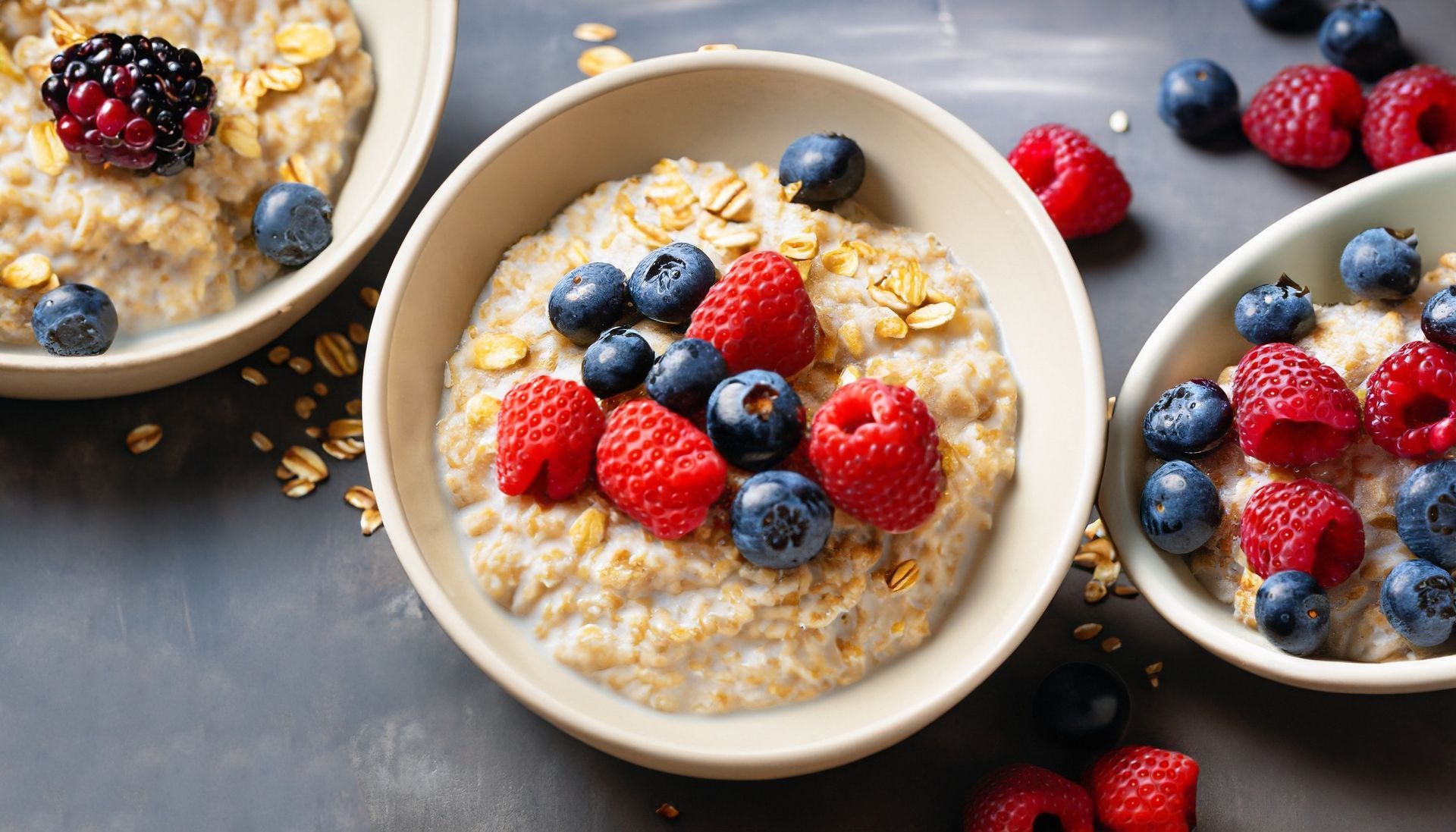
  2. Oatmeal with Berries – A small bowl of oats provides long-lasting energy, while berries add antioxidants.
  3. Rice Cakes with Peanut Butter and Sliced Banana – Light on the stomach but packed with fuel for your muscles.
  4. Greek Yogurt with Honey and Fruit – Protein plus simple carbs make a balanced pre-workout snack.


Quick Post-Workout Snacks for Recovery
  1. Greek Yogurt with Berries – Protein for muscle repair and antioxidants for recovery.
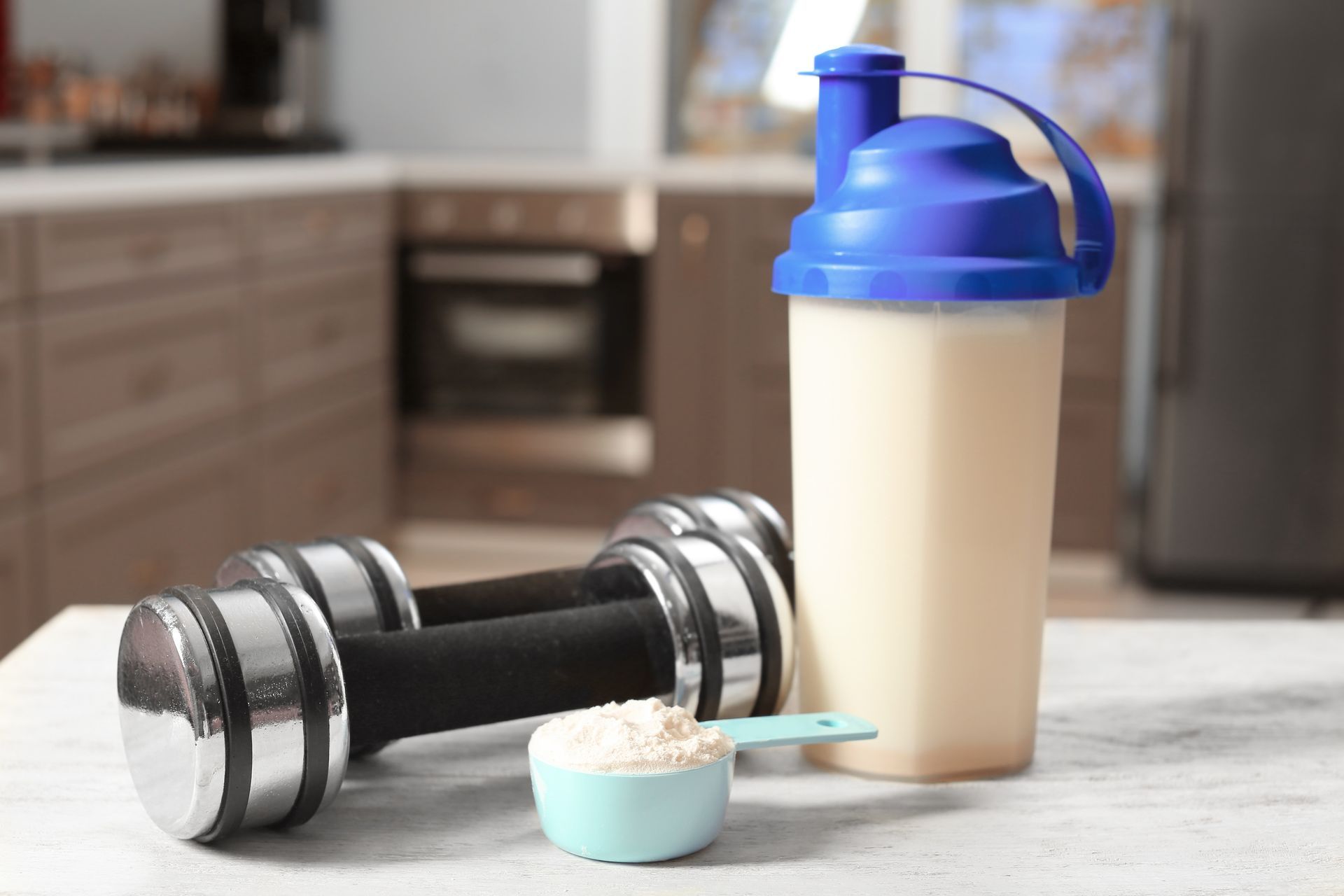
  2. Protein Shake with Banana or Berries – Fast and easy for on-the-go refueling.
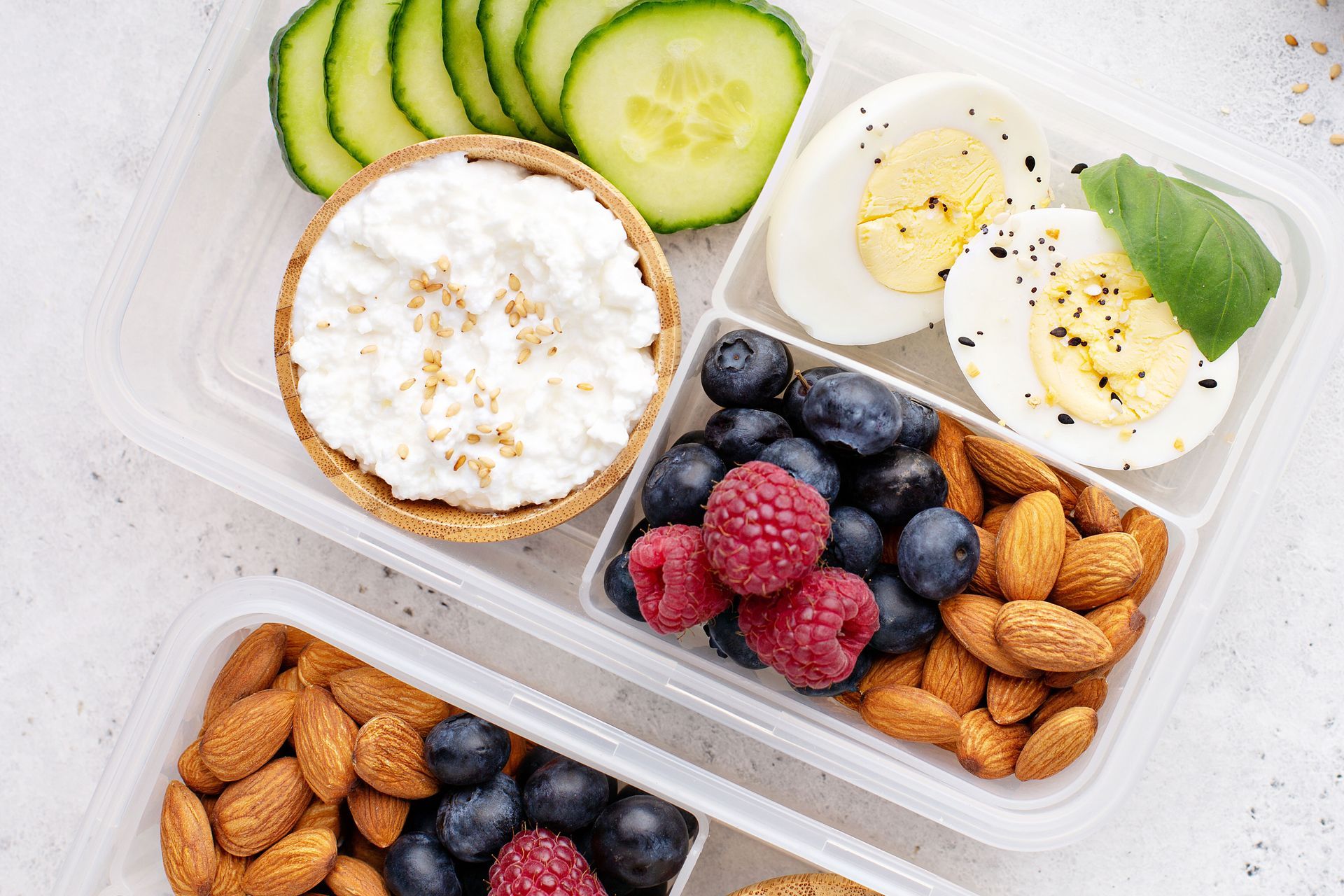
  3. Cottage Cheese with Pineapple – Cottage cheese provides casein protein for muscle repair, and pineapple adds carbs and anti-inflammatory enzymes.
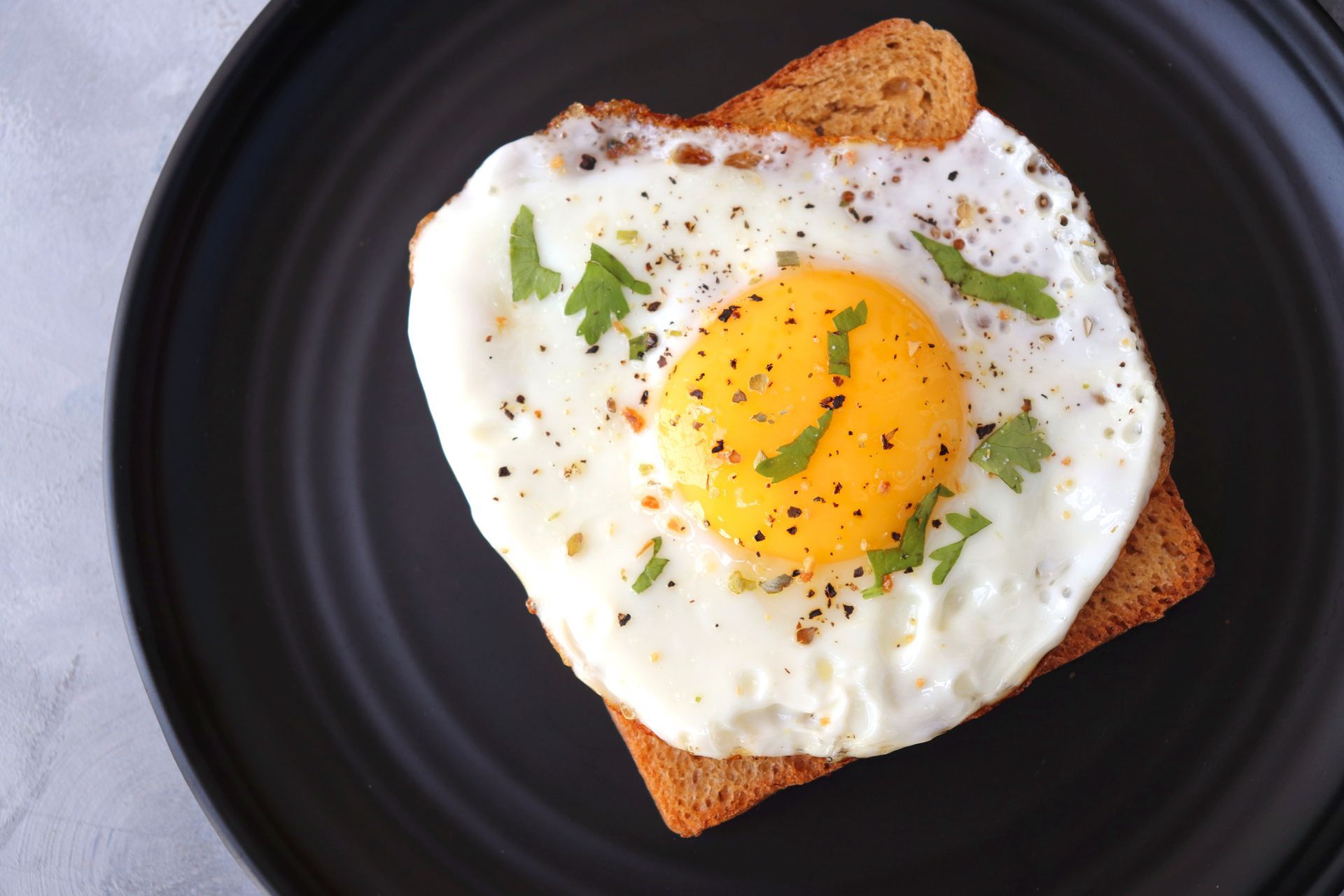
  4. Whole-Grain Toast with Avocado and Egg – A satisfying mix of carbs, protein, and healthy fats.


Tips for Busy Women
  • Prep in advance: Keep pre-portioned snacks ready in the fridge or pantry.
  • Grab-and-go options: Bananas, protein bars, single-serve yogurt, or trail mix are perfect for on-the-run fuel.
  • Listen to your body: Some people prefer a lighter snack if their workout is soon, while others need more substantial fuel.


Eating the right snacks at the right times can make your workouts more effective, help your muscles recover faster, and keep your energy levels steady throughout the day. Try these simple, nutritious options and see how much better you feel during and after your workouts.

By Crystal Demers February 9, 2026
Creatine is one of the most researched supplements in the fitness world—yet it’s still surrounded by myths, especially when it comes to women. Many women wonder: Will it make me bulky? Is it safe? Do I even need it? Let’s break down exactly what creatine does for women, the real benefits, potential side effects, and how to use it effectively. What Is Creatine? Creatine is a naturally occurring compound found in your muscles and brain. Your body produces it on its own, and you also get small amounts from foods like red meat and fish. Its primary role is helping your body produce energy—specifically during short bursts of high-intensity activity like strength training, sprinting, or interval workouts. Benefits of Creatine for Women 1. Increased Strength and Performance Creatine helps your muscles regenerate energy faster, which can lead to: Lifting heavier weights Completing more reps Improved performance during high-intensity workouts This doesn’t mean getting bulky—it means getting stronger. 2. Improved Lean Muscle Tone Creatine supports muscle development by allowing you to train harder and recover faster. For women, this typically results in: Better muscle definition A firmer, more toned appearance Improved metabolism due to increased muscle mass 3. Better Workout Recovery Creatine can help reduce muscle soreness and speed up recovery between workouts, making it easier to stay consistent with your training routine. 4. Cognitive and Mood Benefits Emerging research shows creatine may support brain health, focus, and mental fatigue—especially helpful for busy women balancing workouts, work, and family life. 5. Bone and Muscle Health as You Age Strength training is essential for long-term health, and creatine can support muscle and strength maintenance as women age, helping protect mobility and bone health. Common Myths About Creatine and Women “Creatine causes weight gain.” Creatine may cause a small increase in water retention inside the muscles—not fat gain. This often improves muscle fullness and performance, not the number on the scale long-term. “Creatine makes women bulky.” Women do not have the testosterone levels required to become bulky from creatine. Instead, it supports strength and lean muscle tone. “Creatine isn’t safe for women.” Creatine is one of the most studied supplements available and is considered safe for healthy adults when taken as directed. Potential Side Effects Creatine is well-tolerated by most people. Some women may experience: Mild bloating when first starting Digestive discomfort if taken in large doses at once Drinking enough water and sticking to the recommended dose helps minimize these effects. How Should Women Take Creatine? Recommended dose: 3–5 grams per day Timing: Any time of day works—many women take it post-workout or with a meal Loading phase: Not necessary Best type: Creatine Monohydrate (simple, effective, and well-researched) Consistency matters more than timing—daily use delivers the best results. Is Creatine Right for You? If you strength train, want to feel stronger, recover faster, and get more out of your workouts, creatine can be a powerful (and affordable) addition to your routine. As always, check with your healthcare provider if you have any medical conditions or concerns. Creatine isn’t just for bodybuilders—it’s a practical, science-backed supplement that can help women feel stronger, more confident, and more capable in their workouts and daily life. At Simply Fit, we focus on sustainable strength, confidence, and long-term health—not quick fixes or extremes.
By Crystal Demers February 9, 2026
Collagen has become one of the most talked-about supplements in wellness—and for good reason. From joint health to skin support, collagen plays a key role in how our bodies move, feel, and age. But what exactly is collagen, and how can it support your fitness and overall health? Let’s break it down in a simple, practical way. What Is Collagen? Collagen is the most abundant protein in the human body. It acts as a structural “glue,” helping support: Joints and ligaments Muscles and connective tissue Skin, hair, and nails Bones and tendons As we age, natural collagen production declines—typically starting in our mid-20s—which can impact recovery, joint comfort, and skin elasticity. Benefits of Collagen for Women 1. Joint and Tendon Support Collagen helps maintain the health of connective tissues that support your joints. For women who strength train, walk regularly, or stay active, collagen may help: Support joint comfort Improve tendon and ligament strength Reduce stiffness during movement 2. Improved Workout Recovery Collagen provides amino acids that support tissue repair, which can help your body recover more efficiently between workouts—especially important as training intensity increases. 3. Skin, Hair, and Nail Health Collagen is best known for its beauty benefits, including: Supporting skin elasticity and hydration Stronger hair and nails Reduced appearance of fine lines over time While collagen isn’t a magic fix, consistent use can support overall skin health from the inside out. 4. Bone Health Collagen makes up a significant portion of bone structure. Combined with strength training, adequate protein intake, and proper nutrition, collagen can support long-term bone health—especially important for women as they age. 5. Gut Health Support Some women find collagen helps support gut lining integrity, which may be beneficial for digestion and overall wellness. Collagen vs. Protein Powder: What’s the Difference? Collagen is a protein, but it’s not a complete protein, meaning it doesn’t contain all essential amino acids needed for muscle building. This makes it: A great supplement to protein, not a replacement Best used for joint, skin, and connective tissue support For muscle growth and strength, collagen should be paired with high-quality protein sources like whey, plant-based protein, or whole foods. How Should Women Take Collagen? Recommended dose: 10–20 grams per day Timing: Any time of day—many women add it to coffee, smoothies, or oatmeal Type to look for: Hydrolyzed collagen peptides Tip: Taking collagen with vitamin C can help support collagen synthesis Consistency matters—benefits are typically noticed after several weeks of regular use. Are There Any Side Effects? Collagen is generally well tolerated. Some women may experience: Mild digestive discomfort A feeling of fullness Choosing a high-quality product and starting with a smaller dose can help minimize these effects. Is Collagen Right for You? Collagen can be a great option if you’re: Strength training or staying active Experiencing joint stiffness or discomfort Interested in supporting skin, hair, and nail health Focused on long-term mobility and wellness As always, consult with a healthcare provider if you have allergies or specific medical concerns. Final Thoughts Collagen isn’t about quick fixes—it’s about supporting your body from the inside out. When combined with strength training, proper nutrition, and consistency, collagen can play a supportive role in helping women feel stronger, move better, and age with confidence. At Simply Fit , we believe fitness is about longevity, strength, and feeling good in your body—today and for years to come. Want guidance on supplements, strength training, and building a routine that supports your long-term health? The trainers at Simply Fit are here to help. Contact us today to schedule a consultation and start building strength that lasts.
By Crystal Demers January 10, 2026
Every New Year starts with the best intentions. You’re motivated, committed, and ready to finally put yourself first. But by February, many people find themselves falling off track—not because they don’t care, but because they’re trying to do it alone. That’s where Simply Fit makes the difference. Motivation That Doesn’t Fade After January Motivation isn’t something you either have or don’t have—it’s something that’s built through routine, support, and encouragement. At Simply Fit, you’re surrounded by trainers and members who genuinely want to see you succeed. That positive environment helps keep your energy high even on the days you don’t feel like showing up. When you know people are expecting you, it’s easier to stay consistent. Accountability That Works One of the biggest reasons fitness resolutions fail is lack of accountability. Simply Fit provides structure and guidance so you’re not left guessing what to do or whether you’re doing it right. Having a plan, regular check-ins, and professional support keeps you focused and moving forward—without feeling overwhelmed. A Plan Designed for Real Life Simply Fit understands that life is busy. You don’t need to spend hours in the gym to see results. Workouts are designed to be effective, efficient, and adaptable to your schedule. Whether you’re just starting out or getting back into a routine, you’ll have a plan that fits your lifestyle and your goals. A Comfortable, Supportive Environment Walking into a gym can feel intimidating—especially if you’re new to fitness or returning after time off. Simply Fit offers a welcoming, judgment-free space where you can focus on yourself without feeling pressured or out of place. Confidence grows when you feel supported, not judged. Results Beyond the Scale At Simply Fit, progress is about more than numbers. Members often notice: Increased strength and energy Improved confidence Better consistency Reduced stress A stronger, healthier mindset These wins add up—and they’re what help turn short-term resolutions into long-term habits. Make This the Year You Stay Consistent If your New Year’s resolution is to feel stronger, healthier, and more confident, Simply Fit is here to help you make it happen. With expert guidance, built-in accountability, and a community that supports you every step of the way, you won’t be doing it alone.  Ready to turn your New Year’s motivation into lasting results? 
Join Simply Fit and start building habits that actually stick.
By Crystal Demers December 5, 2025
If you’ve ever been in a workout class, walked past the supplement aisle, or overheard gym conversations, chances are you’ve heard someone mention BCAAs. But what exactly are they? And more importantly — do you actually need them? Let’s break them down in a simple, no-nonsense way so you can decide if BCAAs belong in your fitness routine. What Are BCAAs? BCAAs (Branched Chain Amino Acids) are a group of three essential amino acids: Leucine Isoleucine Valine Your body cannot produce these on its own — you get them from food or supplements. They play a huge role in helping your body build and repair muscle. What Do BCAAs Actually Do? 1. Boost Muscle Recovery One of the biggest reasons people take BCAAs is to reduce muscle soreness. They help decrease exercise-related muscle breakdown and support faster recovery — meaning less “I can’t walk after leg day” vibes. 2. Support Muscle Growth Leucine (one of the three BCAAs) is especially important for kick-starting muscle protein synthesis, which is the process your body uses to build new muscle. 3. Increase Workout Energy During longer workouts, your body can use BCAAs as a quick source of energy — helping you push through fatigue, especially during cardio or strength training sessions. 4. Help With Muscle Retention During Weight Loss If you’re trying to lose fat while keeping lean muscle, BCAAs can help preserve muscle during calorie deficits. 5. May Reduce Cravings & Improve Focus Some people notice fewer mid-workout cravings or dips in mental clarity when supplementing with BCAAs, thanks to their effect on brain chemicals like serotonin. Do You Need BCAAs? Not necessarily — and that’s the honest truth. You may benefit from BCAAs if: You train early in the morning without eating first You don’t get enough protein daily You’re in a calorie deficit You’re doing intense weight training You struggle with recovery or soreness You may not need BCAAs if: You’re hitting your daily protein goals You already drink protein shakes consistently You eat a balanced diet with enough essential amino acids Food first is always best. But BCAAs can give you a simple workout boost when life or nutrition isn’t perfect (which is… most of the time). How to Take BCAAs They’re usually mixed with water and taken: Before a workout During a workout Or right after a workout Choose a flavor you enjoy — they’re basically adult Kool-Aid with benefits. Are BCAAs Safe? For most people, yes. But as with any supplement, it’s always smart to chat with a healthcare provider if you have medical conditions, take medication, or are unsure. Bottom Line BCAAs aren’t a magic pill, but they can help boost your workouts, reduce soreness, and support muscle goals — especially when you’re not getting enough protein through food. If you want a simple way to support energy and recovery, they can be a great addition to your routine. Want help deciding whether BCAAs are right for you? Or need support with your nutrition and fitness goals? Book a free consultation today — we’ll create a plan that fits your lifestyle and helps you stay strong, energized, and confident.
By Crystal Demers December 5, 2025
Menopause is a natural phase of life, but the symptoms that come with hormonal changes can feel anything but natural. Hot flashes, mood swings, weight gain, sleep struggles, and decreased muscle mass can leave many women feeling frustrated and uncomfortable. The good news? Exercise is one of the most effective, science-backed tools you can use to support your body through menopause and feel more like you again. Here’s how staying active helps your hormones—and your overall health—during this phase of life. 1. Boosts Mood and Reduces Stress As estrogen levels drop, mood swings and anxiety can increase. Exercise releases endorphins—your feel-good hormones—helping stabilize mood, reduce stress, and boost emotional well-being. Best workouts for mood: • Walking • Strength training • Yoga • Cycling 2. Helps Manage Weight More Easily Many women notice stubborn weight gain during menopause due to a slower metabolism. Strength training is especially powerful because building muscle helps your body burn more calories at rest. Try: • Full-body strength sessions 2–3x per week • Short, high-intensity intervals (HIIT) • Low-impact cardio 3. Supports Hormonal Balance While exercise won’t replace estrogen, it does help balance other hormones like cortisol and insulin. Keeping these steady can reduce belly fat, improve sleep, and support overall hormonal health. 4. Improves Sleep Quality Insomnia is common during menopause, but regular movement—especially earlier in the day—helps regulate your circadian rhythm. Mindful stretching or yoga before bed can also calm the nervous system. 5. Protects Bone Density Declining estrogen can accelerate bone loss. Weight-bearing exercises are key for keeping bones strong and reducing osteoporosis risk. Try: • Strength training • Barre • Walking • Stair climbing 6. Increases Muscle Mass & Strength You naturally lose muscle with age, and menopause speeds up this process. Strength training helps you maintain muscle, stay strong, and improve daily function. 7. Boosts Energy & Reduces Fatigue Regular movement helps regulate blood sugar, increase stamina, and reduce the afternoon energy crash that many women experience during hormonal shifts. Contact Today! If you’re navigating menopause and want expert support, we’re here to help. Book a free consultation today, and let’s create a personalized fitness and nutrition plan to help you feel strong, balanced, and confident. Photo Credit: https://www.vecteezy.com/free-photos/woman">Woman Stock photos by Vecteezy
By Crystal Demers November 25, 2025
The holiday season is all about celebration — family gatherings, festive parties, and of course, amazing food. But with all the treats, cocktails, and busy schedules, staying healthy can feel like a challenge. The good news? You don’t have to choose between enjoying the holidays and maintaining your wellness goals. With a little planning and a few smart habits, you can do both! Here are simple, stress-free tips to help you stay healthy, energized, and confident all season long. 1. Don’t Skip Meals — Fuel Up Before Events Going to a party hungry almost always leads to overeating. Instead, eat a balanced meal or snack before you head out. Think: protein + fiber + healthy fats. Examples: Greek yogurt and fruit, eggs and toast, a chicken salad, or veggies with hummus. This helps stabilize your blood sugar and keeps cravings in check. 2. Hydrate Like It’s Your Job Between salty foods, sugary treats, and holiday cocktails, dehydration can sneak up quickly. Aim to drink water throughout the day and try alternating water between alcoholic drinks to stay balanced and energized. Tip: Keep a water bottle with you and sip before meals to help manage appetite. 3. Prioritize Protein at Every Meal Protein keeps you full longer and helps prevent overeating later. At holiday parties, scan the table for options like turkey, chicken, shrimp cocktail, deviled eggs, or cheese and nuts. It’s an easy strategy that pays off *big*. 4. Move Your Body — Even Just a Little You don’t need long, intense workouts this time of year. Short bursts of movement add up! Try: * A brisk 10–15 minute walk * A stretch or mobility session Staying consistent helps keep your energy up and stress down. 5. Be Mindful… Not Restrictive You *can* enjoy your favorite holiday foods — just be intentional. A few helpful habits: * Fill your plate with protein and veggies first * Choose indulgences you truly love (skip the ones that aren’t worth it!) * Eat slowly and savor the flavors Mindful eating lets you enjoy the food without going overboard. 6. Set Realistic Goals for the Season The holidays get busy, so aim for *maintenance* rather than perfection. Instead of a strict routine, think: * Move 3–4 times a week * Hit daily steps * Eat protein at each meal * Stay hydrated Small actions keep your momentum strong. 7. Give Yourself Grace One heavy meal or one festive night out doesn’t ruin your progress. You’re human — you’re celebrating — and that’s the point of the holidays. Just get back to your routine the next day, no guilt needed. Final Thoughts The holiday season is meant to be enjoyed, and with a few simple habits, you can stay healthy *and* savor every moment. Balance, consistency, and a little self-love go a long way. Want help staying on track this season? We’re here for you! Stop by Simply Fit or reach out with questions — our team is ready to support your goals through the holidays and beyond.
By Crystal Demers October 29, 2025
The Importance of Stretching: Your Key to Better Workouts and a Healthier Body When it comes to fitness, stretching doesn’t always get the spotlight it deserves—but it should! Whether you’re hitting the weights, taking a cardio class, or heading out for a run, stretching is one of the simplest ways to boost performance, reduce soreness, and prevent injuries. It’s not just a warm-up or cool-down… it’s an essential part of your health and wellness routine. Why Stretching Matters Stretching helps increase blood flow to your muscles, improves flexibility, and enhances your range of motion. When your muscles are flexible and joints move freely, your body performs better—and you’re less likely to feel stiff or sore later. It’s also a great way to relax your mind and body, relieve stress, and restore balance after a busy day or a tough workout. When to Stretch There are two main types of stretching: • Dynamic stretching — great before your workout. These are controlled movements that prepare your muscles for action (think leg swings, arm circles, or walking lunges). • Static stretching — best after your workout. These are longer holds that help cool your body down and release tension (like hamstring stretches or seated toe reaches). Try These Simple Stretch Routines Before Your Workout (Dynamic Stretch Routine – 5 minutes) • Arm Circles – 30 seconds each direction • Hip Circles – 30 seconds each direction • Walking Lunges – 10 each leg • Leg Swings – 10 each leg (front to back) • Torso Twists – 30 seconds After Your Workout (Static Stretch Routine – 10 minutes) • Seated Forward Fold – hold 30 seconds • Standing Quad Stretch – hold 30 seconds each leg • Butterfly Stretch – hold 30 seconds • Shoulder Cross Stretch – hold 30 seconds each side • Cat-Cow Pose – 1 minute of gentle movement • Child’s Pose – 1 minute for full-body relaxation Take your time with each stretch—breathe deeply and never force your body into a position that feels uncomfortable. The more consistent you are, the more flexible and energized you’ll feel!Your Call to ActionReady to add stretching to your routine? Try these moves after your next workout and notice how your body feels! Visit Simply Fit to try a class, meet our trainers, and discover how fun and achievable a healthy lifestyle can be. Your strongest, healthiest self is waiting!
By Crystal Demers October 29, 2025
Exercise & Nutrition Myth Busters In today’s world of social media fitness trends and “quick fix” nutrition advice, it’s easy to feel overwhelmed—or worse, misled. At Simply Fit, we believe in keeping things real. No gimmicks. No fads. Just facts and balance that help you feel and perform your best. Let’s bust some of the most common myths we hear in and out of the gym! Myth #1: Lifting weights makes women bulky Truth: Building noticeable muscle takes serious dedication, calorie surplus, and years of consistent strength training. What lifting *does* do is help you tone, burn fat, and build lean muscle that gives your body definition and strength. So pick up those weights—they’re your best friend, not your enemy! Myth #2: Carbs are bad for you Truth: Carbs are your body’s main source of energy. Cutting them out completely can lead to fatigue, mood changes, and poor performance during workouts. The key is choosing smart carbs like whole grains, fruits, and vegetables instead of refined sugars and processed foods. Myth #3: You need to work out every day to see results Truth: Rest is just as important as exercise. Recovery days give your muscles time to rebuild and grow stronger. Overtraining can actually slow your progress and increase your risk of injury. Aim for a balance—move your body often, but listen when it asks for rest. Myth #4: You have to do hours of cardio to lose weight Truth: Cardio helps with endurance and heart health, but strength training and proper nutrition are equally (if not more) important for fat loss. Muscle burns more calories at rest, so mixing in resistance training can actually help you burn more all day long. Myth #5: Eating after 8 p.m. causes weight gain Truth: Your body doesn’t have a curfew. What matters most is *what* and *how much* you eat over the course of the day. If you’re hungry after dinner, reach for a balanced snack with protein and healthy fats instead of sugary treats. Myth #6: Supplements are essential for results Truth: Supplements can support your routine, but they’re not magic. Focus on getting most of your nutrients from whole foods—protein, fruits, veggies, and healthy fats. Supplements should *supplement* your diet, not replace it. The Bottom Line Fitness and nutrition aren’t about quick fixes—they’re about sustainable habits that make you feel strong, confident, and capable. Forget the noise, trust the process, and focus on consistency over perfection. Ready to put these myths to rest and start feeling your best? Join us at Simply Fit! Whether you’re lifting for the first time or refining your routine, our supportive community and trainers are here to guide you every step of the way. Let’s make your fitness goals a reality—stronger, smarter, and healthier together.
By Crystal Demers October 29, 2025
How to Macro Count: A Simple Guide to Fuel Your Fitness Goals If you’ve ever heard people talk about “counting macros” and wondered what the hype is all about, you’re not alone. The good news? It’s not nearly as complicated as it sounds—and it can be a total game-changer for reaching your health and fitness goals! Let’s break it down step by step. What Are Macros? “Macros” is short for macronutrients—the three main nutrients your body needs for energy: Protein: Builds and repairs muscle, helps you stay full, and keeps your metabolism running strong. Carbohydrates: Your body’s main source of fuel. Great for powering workouts and supporting brain function. Fats: Essential for hormone health, joint function, and keeping you satisfied after meals. When you count macros, you’re tracking how much of each you eat—not just calories. Why Macro Counting Works Counting calories can help with weight loss, but it doesn’t tell the whole story. Two people could eat the same calories but have completely different results depending on their macro balance. By tracking macros, you: ✅ Support muscle gain and fat loss more effectively ✅ Keep energy levels stable ✅ Learn what your body truly needs ✅ Still get to enjoy flexibility in your diet (yes, you can have your favorite foods!) How to Figure Out Your Macros There’s no one-size-fits-all formula—it depends on your age, weight, activity level, and goals (like fat loss, maintenance, or muscle gain). But here’s a general starting point: Protein: 0.8–1 gram per pound of body weight Fats: 25–30% of your total daily calories Carbs: Fill in the rest with healthy carbs (think fruits, veggies, oats, rice, sweet potatoes, etc.) For example, if you eat 1,800 calories per day and weigh 150 pounds: Protein: 150g (600 calories) Fat: 60g (540 calories) Carbs: 165g (660 calories) These are flexible starting points—you can adjust based on how your body feels and performs. How to Track Your Macros Here’s the fun part: 1. Download a tracking app like MyFitnessPal or Lose It! 2. Log what you eat throughout the day—most foods are already listed in these apps. 3. Check your daily totals to see how close you are to your goals. It might feel tricky at first, but after a week or two, it becomes second nature! Tips for Success 🥗 Plan ahead—prepping meals or snacks can help you stay on track. 🍳 Focus on whole, nutrient-dense foods most of the time. 🍫 Leave room for flexibility (balance, not perfection, is key). 💧 Stay hydrated—water plays a big role in metabolism and performance. 💪 Listen to your body—your energy, sleep, and mood will tell you if you’re on the right track. Final Thoughts Macro counting isn’t about restriction—it’s about understanding what fuels your body best. Once you learn the balance that works for you, it becomes a powerful tool for reaching your goals and maintaining a healthy lifestyle long-term. Whether your goal is to tone up, build strength, or just feel better in your body, learning your macros might be the missing piece to your fitness puzzle. Fit to try a class, meet our trainers, and discover how fun and achievable a healthy lifestyle can be. Your strongest, healthiest self is waiting. Contact today!