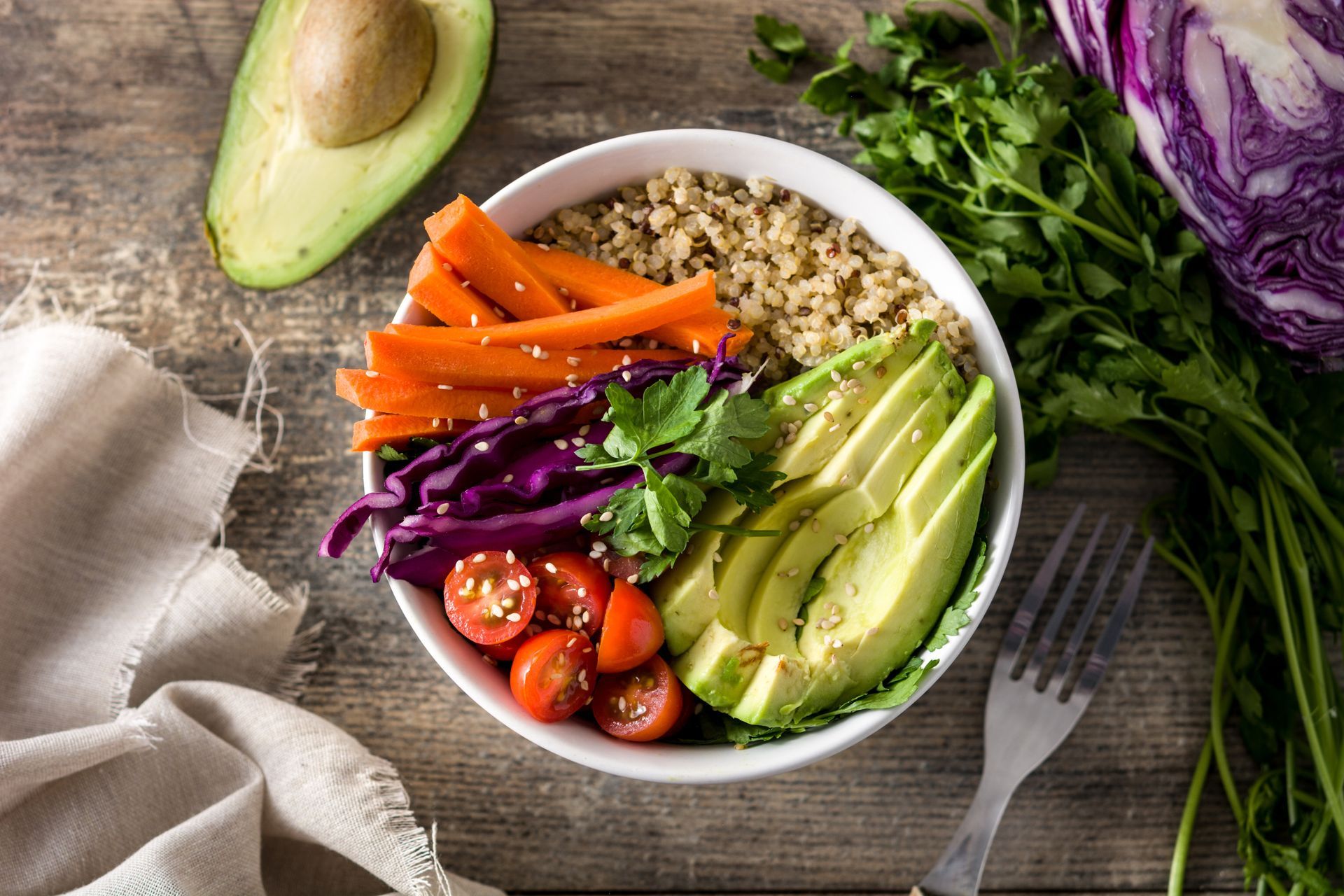
How to Macro Count: A Simple Guide to Fuel Your Fitness Goals
If you’ve ever heard people talk about “counting macros” and wondered what the hype is all about, you’re not alone. The good news? It’s not nearly as complicated as it sounds—and it can be a total game-changer for reaching your health and fitness goals!
Let’s break it down step by step.
What Are Macros?
“Macros” is short for macronutrients—the three main nutrients your body needs for energy:
Protein:
Builds and repairs muscle, helps you stay full, and keeps your metabolism running strong.
Carbohydrates:
Your body’s main source of fuel. Great for powering workouts and supporting brain function.
Fats:
Essential for hormone health, joint function, and keeping you satisfied after meals.
When you count macros, you’re tracking how much of each you eat—not just calories.
Why Macro Counting Works
Counting calories can help with weight loss, but it doesn’t tell the whole story. Two people could eat the same calories but have completely different results depending on their macro balance.
By tracking macros, you:
✅ Support muscle gain and fat loss more effectively
✅ Keep energy levels stable
✅ Learn what your body truly needs
✅ Still get to enjoy flexibility in your diet (yes, you can have your favorite foods!)
How to Figure Out Your Macros
There’s no one-size-fits-all formula—it depends on your age, weight, activity level, and goals (like fat loss, maintenance, or muscle gain). But here’s a general starting point:
Protein:
0.8–1 gram per pound of body weight
Fats:
25–30% of your total daily calories
Carbs:
Fill in the rest with healthy carbs (think fruits, veggies, oats, rice, sweet potatoes, etc.)
For example, if you eat 1,800 calories per day and weigh 150 pounds:
Protein:
150g (600 calories)
Fat:
60g (540 calories)
Carbs: 165g (660 calories)
These are flexible starting points—you can adjust based on how your body feels and performs.
How to Track Your Macros
Here’s the fun part:
1. Download a tracking app like MyFitnessPal
or Lose It!
2. Log what you eat throughout the day—most foods are already listed in these apps.
3. Check your daily totals to see how close you are to your goals.
It might feel tricky at first, but after a week or two, it becomes second nature!
Tips for Success
🥗 Plan ahead—prepping meals or snacks can help you stay on track.
🍳 Focus on whole, nutrient-dense foods most of the time.
🍫 Leave room for flexibility (balance, not perfection, is key).
💧 Stay hydrated—water plays a big role in metabolism and performance.
💪 Listen to your body—your energy, sleep, and mood will tell you if you’re on the right track.
Final Thoughts
Macro counting isn’t about restriction—it’s about understanding what fuels your body best. Once you learn the balance that works for you, it becomes a powerful tool for reaching your goals and maintaining a healthy lifestyle long-term.
Whether your goal is to tone up, build strength, or just feel better in your body, learning your macros might be the missing piece to your fitness puzzle.
Fit to try a class, meet our trainers, and discover how fun and achievable a healthy lifestyle can be. Your strongest, healthiest self is waiting. Contact today!
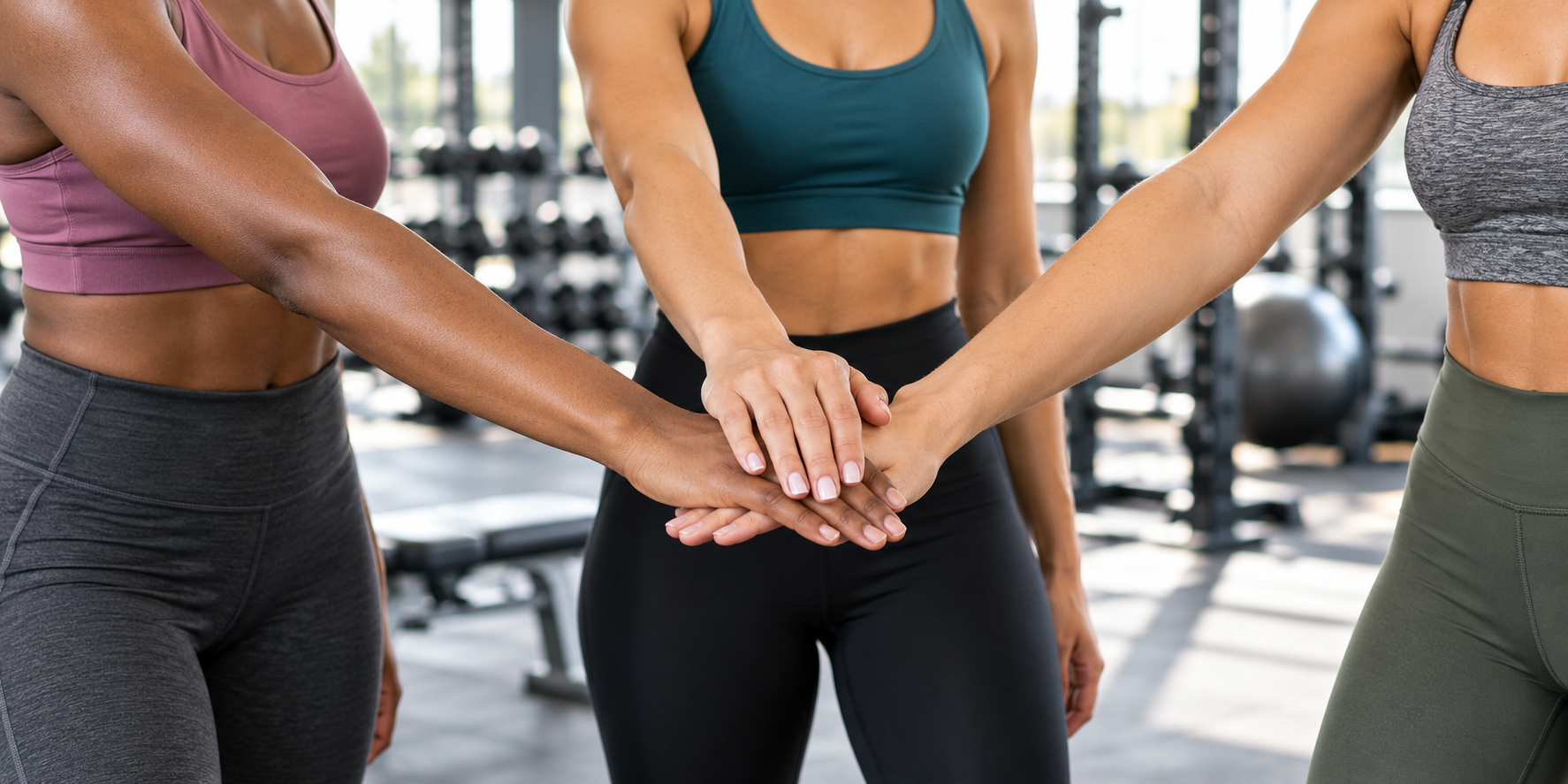
At Simply Fit, fitness is more than a workout—it’s personal coaching, accountability, and a community of women who support one another. With Crystal’s experienced guidance and a complete approach to strength, cardio, nutrition, and mindset, every member receives the encouragement and personalized care she needs!
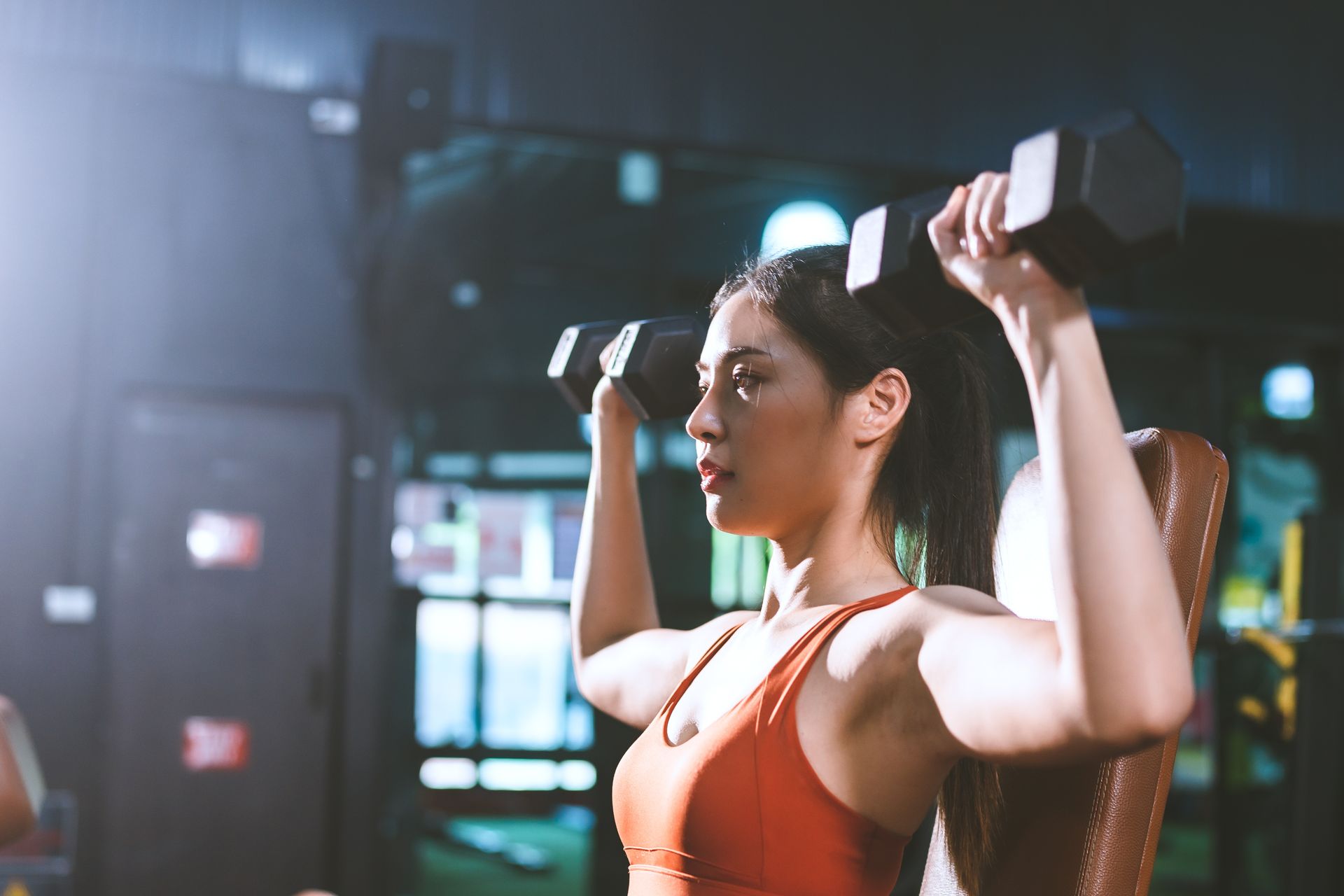
Can You Really Lose Fat and Build Muscle at the Same Time?
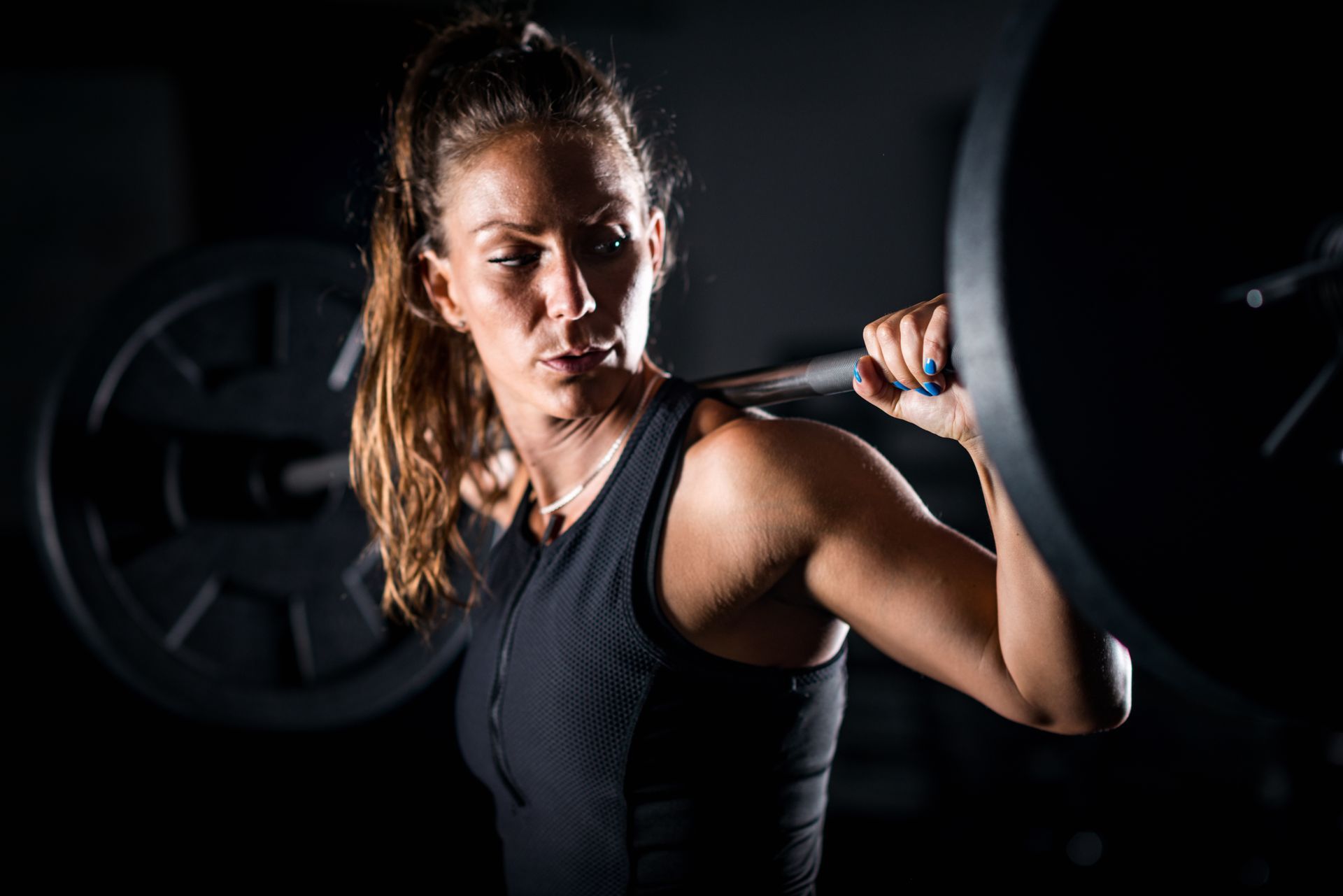
Common Strength Training Myths Women Should Stop Believing

When you are working toward a fitness goal, it can be tempting to believe that more exercise will always lead to faster results. While consistency is important, your body also needs time to recover. Rest days are not a setback or a sign that you are losing momentum. They are an essential part of becoming stronger, impr
Your weight does not show your strength, energy, confidence, body composition, or the healthy habits you are building. At Simply Fit, the focus is not just on losing weight. The goal is to help women build stronger, healthier, fitter bodies from the inside out

Staying on track does not mean missing out. It means finding balance, making realistic choices, and staying consistent in a way that fits your lifestyle.
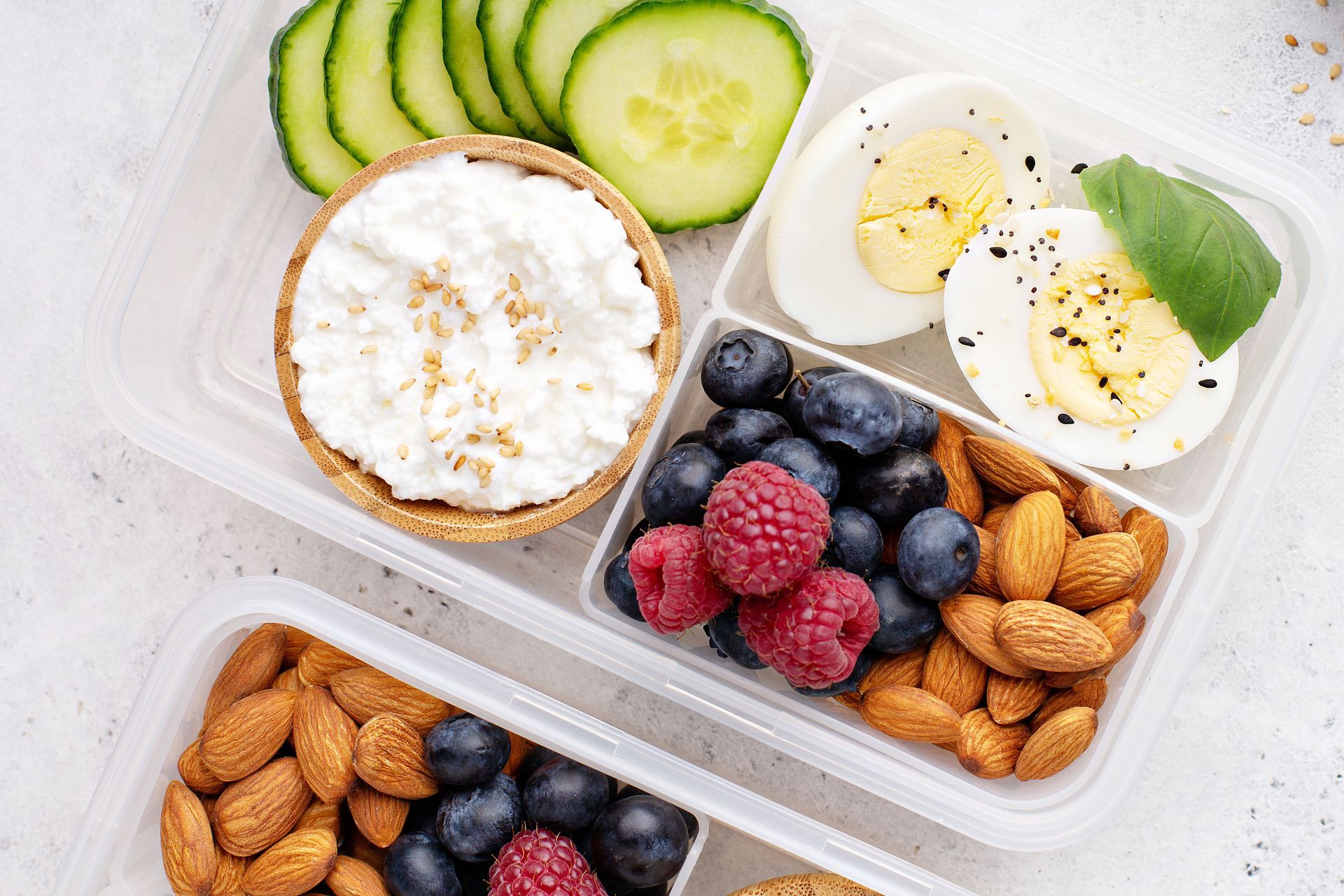
When life gets busy, snacks can either help you stay on track or leave you feeling hungry again an hour later. That’s why high-protein snacks are such a smart choice, especially if your goals include fat loss, building strength, improving energy, or simply making better food choices throughout the day.
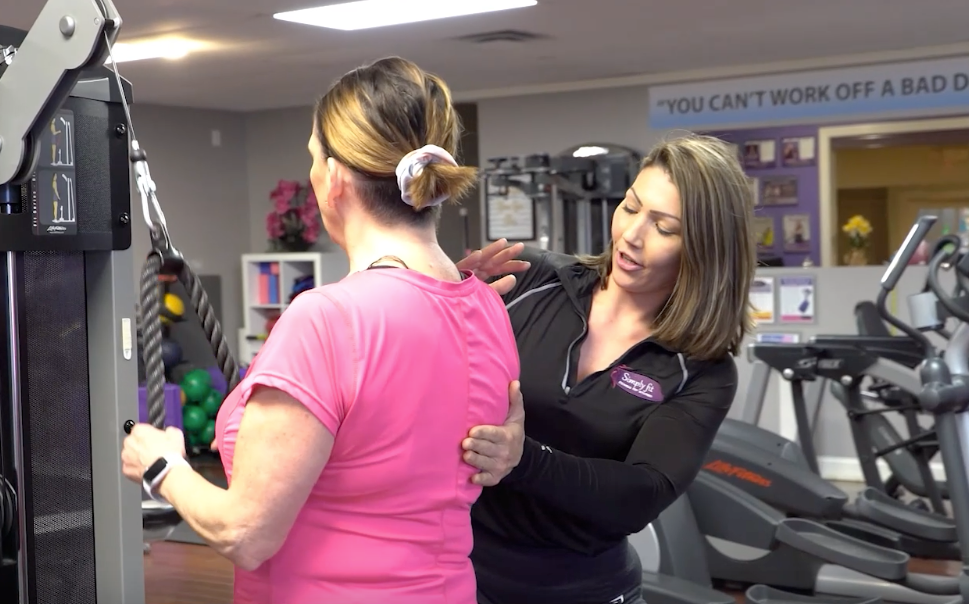
Why the Simply Fit Approach Works: Training, Nutrition, Mindset, and Accountability Together
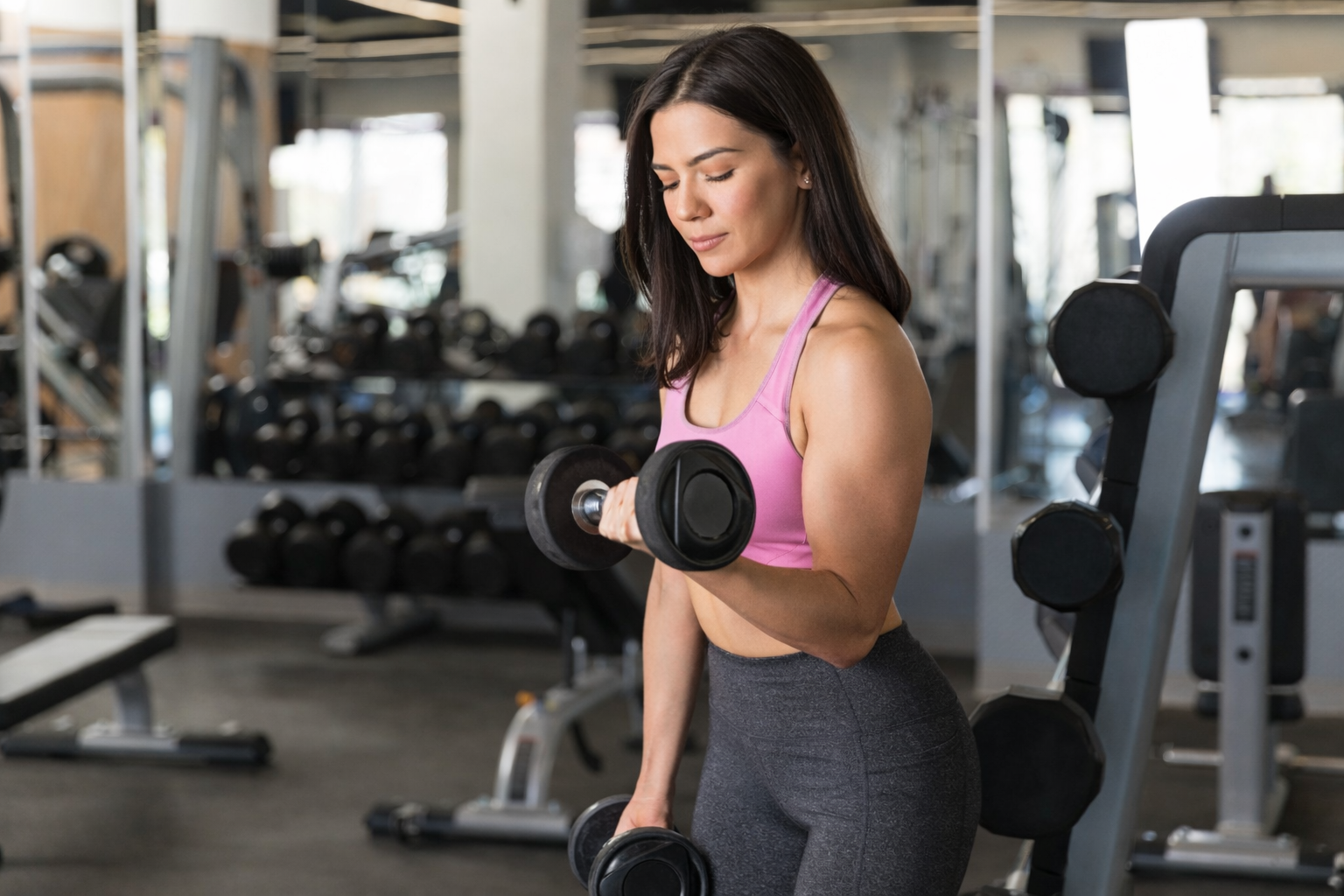
As we age, we naturally begin to lose muscle mass. This gradual loss of muscle directly affects metabolism because muscle is metabolically active tissue. The more muscle you have, the more calories your body burns throughout the day — even at rest. When muscle decreases, your metabolism slows, your daily calorie burn d
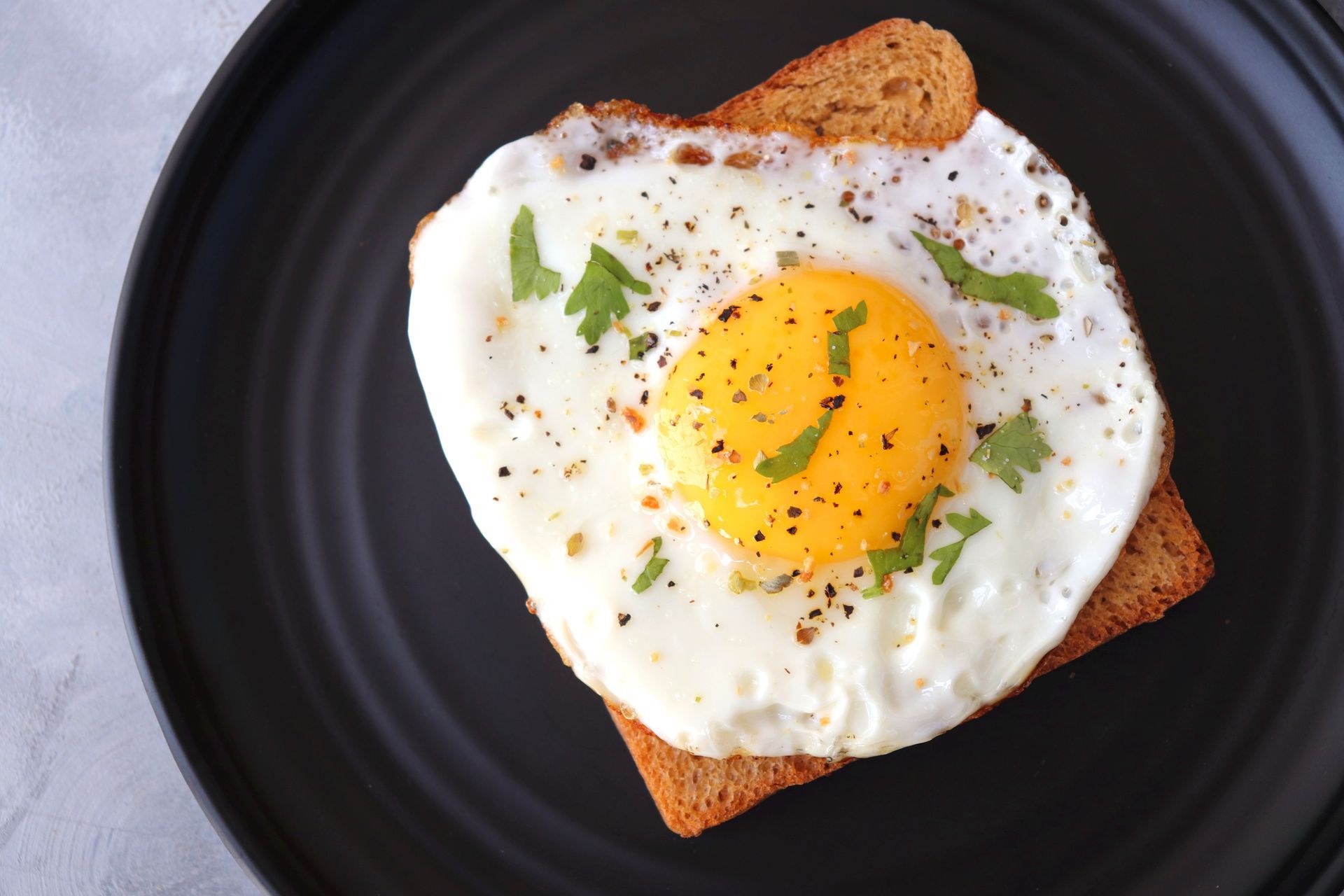
One of the most common questions we hear is: Should I eat before I work out? The short answer? In most cases — yes . But what you eat, how much you eat, and when you eat it can make a big difference in how you feel and perform during your workout. If your goal is fat loss, strength building, or simply feeling energized instead of drained, understanding pre-workout nutrition is key. Why Eating Before a Workout Matters Your body needs fuel to perform. When you exercise — especially during strength training — your body primarily uses stored carbohydrates (glycogen) for energy. If those stores are too low, you may feel fatigued, lightheaded, weak, or unable to push yourself. Skipping meals before a workout can lead to: Lower energy Reduced strength output Poor recovery Increased muscle breakdown If you’re training hard but under-fueled, you’re not getting the full benefit of your workout. What Should You Eat Before a Workout? The best pre-workout meal or snack includes a combination of protein and carbohydrates. Carbohydrates provide quick energy. Protein helps preserve muscle and supports recovery. A few simple examples include: Greek yogurt with fruit A protein shake and a banana Toast with peanut butter Oatmeal with protein powder mixed in Eggs and a small portion of fruit You don’t need anything complicated or fancy. The goal is balanced fuel that’s easy to digest. How Long Before a Workout Should You Eat? Timing depends on how much you’re eating. If it’s a full meal, aim for about 2–3 hours before your workout. If it’s a small snack, 30–60 minutes beforehand is usually ideal. Everyone’s digestion is a little different, so this may take some experimenting. If you feel sluggish or uncomfortable, adjust timing or portion size. What If You Work Out Early in the Morning? This is common — especially for busy women balancing work and family. If you’re training first thing in the morning and don’t feel hungry, a small, easy-to-digest snack like half a banana, a few bites of yogurt, or a protein shake can be enough. Even a little fuel can improve performance compared to training completely fasted. Some women feel fine working out without eating first, especially for lighter sessions. However, for strength training and higher-intensity workouts, having at least a small amount of fuel usually leads to better results. Does Eating Before a Workout Slow Fat Loss? This is a major myth. Eating before a workout does not prevent fat loss. In fact, being properly fueled can help you train harder, lift heavier, and preserve muscle — all of which support fat loss long term. The key is your total daily nutrition, not whether you eat immediately before exercising. Under-eating consistently can actually slow metabolism, increase cravings, and stall progress. Proper fueling supports sustainable results. The Bottom Line If you want stronger workouts, better energy, improved recovery, and long-term fat loss, eating before your workout is usually a smart choice. You don’t need a large meal. You don’t need supplements. You just need simple, balanced fuel that supports your body. At Simply Fit, we don’t just focus on workouts — we help you understand how to fuel your body for real results. Strength training paired with proper nutrition is what creates lasting change. If you’re ready to stop guessing and start seeing progress, call us at (603) 560-9303 or visit us at 11 Manchester Road in Derry to schedule your first session. Let’s train smarter — and stronger — together!




