Common Strength Training Myths Women Should Stop Believing
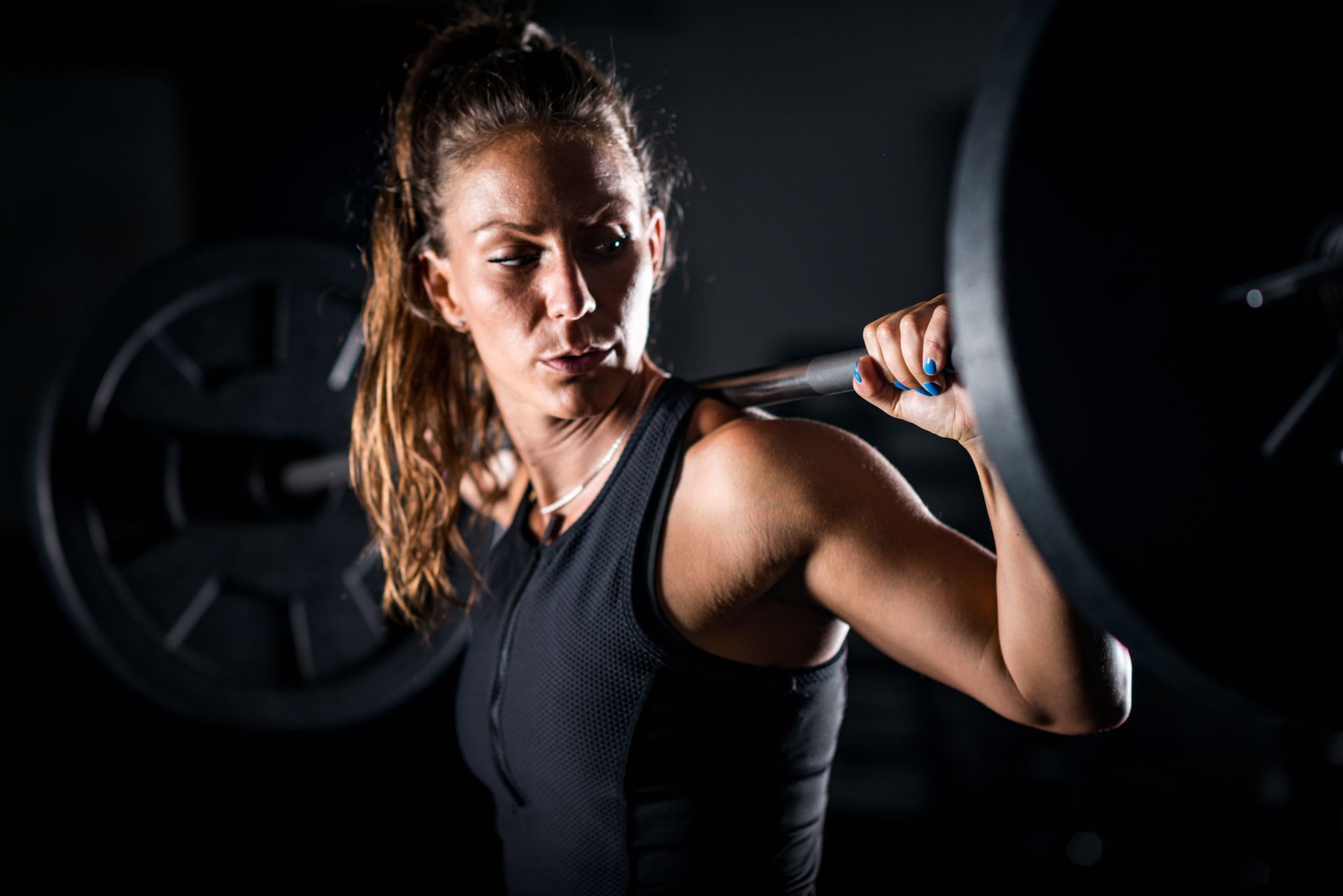
Strength training has become more popular among women, but many outdated myths still prevent people from getting started. Some women worry that lifting weights will make them bulky, that they need to lose weight before entering a gym, or that cardio is the only way to burn fat.

These misconceptions can make strength training feel intimidating when, in reality, it can be one of the most effective ways to improve your health, confidence, mobility, and overall quality of life.


Here are some of the most common strength-training myths women should stop believing.


Myth 1: Lifting Weights Will Make You Bulky

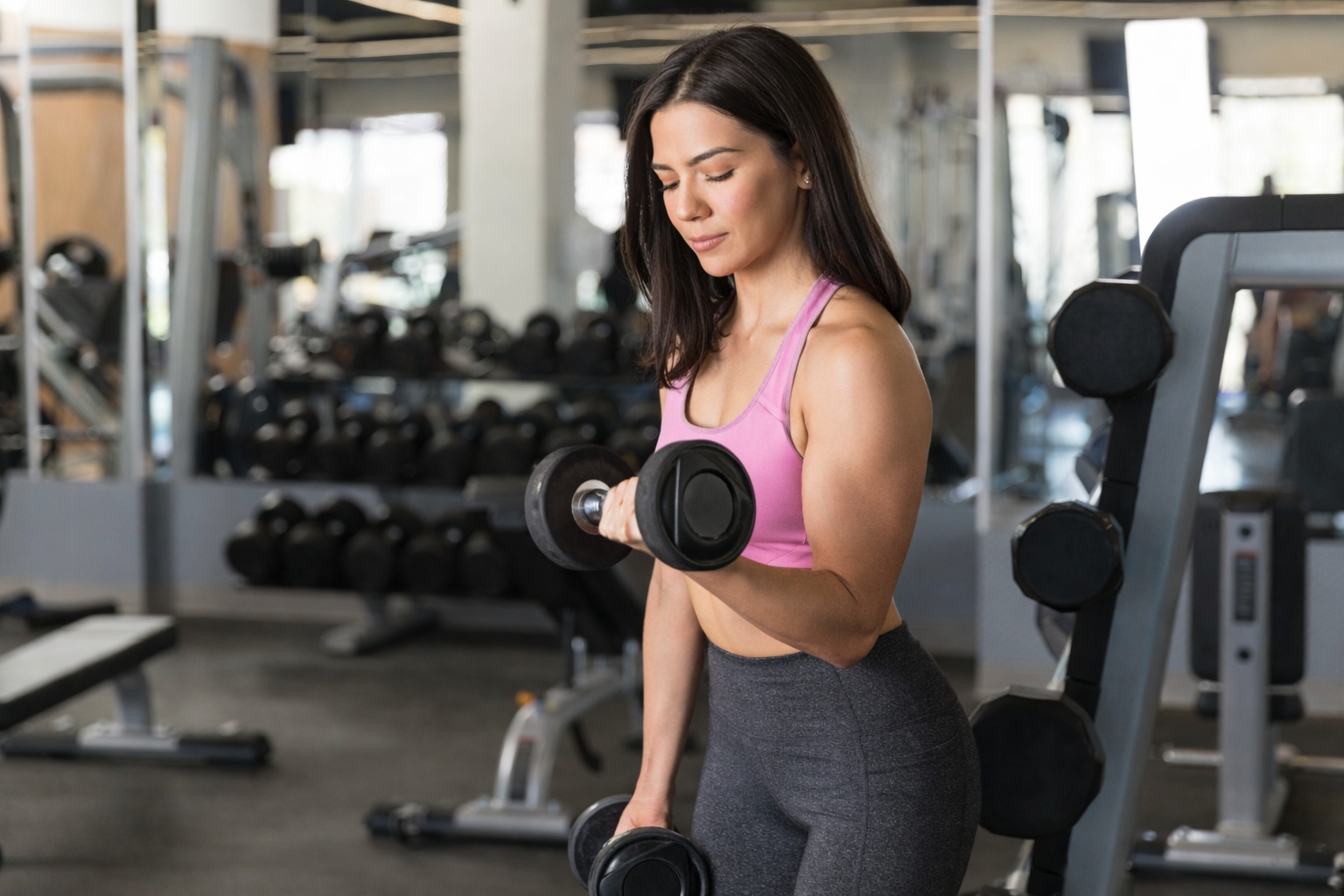
This is one of the most common concerns women have about strength training. However, building a large amount of muscle usually requires a very specific combination of intense training, nutrition, genetics, and time.


For most women, strength training creates a stronger, firmer, and more defined appearance rather than an overly muscular one.

Muscle also supports everyday movement, posture, balance, and joint stability. Becoming stronger does not mean you will suddenly become bulky. It means your body will be better prepared to handle the demands of daily life.


Myth 2: Cardio Is Better for Weight Loss

Cardio can be an important part of a balanced fitness routine, but it is not the only way to support weight loss or body composition goals.

Strength training helps build and maintain muscle. Muscle is metabolically active tissue, meaning your body uses energy to maintain it. Strength training can also help your body look and feel different even when the number on the scale does not change dramatically.


The most effective routine often includes a combination of strength training, cardio, regular movement, balanced nutrition, sleep, and recovery.


Myth 3: You Need to Lose Weight Before You Start Strength Training

You do not need to reach a certain weight, size, or fitness level before you begin lifting weights.


Strength training can be modified for nearly every experience level. Beginners can start with bodyweight exercises, resistance bands, light dumbbells, or machines while learning proper form and movement patterns.


Waiting until you feel “fit enough” can keep you from experiencing the very benefits that can help you feel stronger and more confident. You are allowed to start exactly where you are.


Myth 4: Light Weights and High Repetitions Are Always Best for Women

Light weights can be useful, especially when learning a new exercise or improving muscular endurance. However, they are not the only weights women should use.


To continue getting stronger, the body needs to be challenged over time. This may mean gradually increasing the weight, repetitions, sets, or difficulty of an exercise.


The right resistance should feel challenging while still allowing you to maintain proper form. Women are capable of lifting heavier weights safely when they build up gradually and use good technique.


Myth 5: Strength Training Is Only for Younger Women

Strength training can be beneficial at almost any age.


As women get older, maintaining muscle mass, strength, balance, and bone health becomes increasingly important. Regular resistance training can support independence, improve mobility, and make everyday activities easier.


You are never too old to begin. Exercises can be adjusted based on your current abilities, health history, and comfort level.


Myth 6: You Have to Spend Hours in the Gym

Effective strength training does not require long daily workouts.


A focused workout lasting 30 to 45 minutes can be highly effective when it includes appropriate exercises and consistent effort. Even shorter sessions can provide benefits when they are performed regularly.


Quality matters more than spending hours in the gym. A realistic routine that fits your schedule is more valuable than an extreme routine you cannot maintain.


Myth 7: Soreness Means You Had a Good Workout

Muscle soreness can happen after a new or challenging workout, but it is not the only sign of progress.


A workout can still be effective even when you are not sore the next day. Improvements in strength, balance, energy, endurance, form, and confidence are all meaningful signs that your routine is working.


Extreme soreness is not something you need to chase. In fact, being constantly sore can make it harder to stay consistent and may be a sign that your body needs more recovery.


Myth 8: Women Should Train Differently Than Men

Women and men may have different goals, preferences, and physical considerations, but the basic principles of strength training are similar.

Both benefit from exercises that strengthen the entire body, including the legs, back, chest, shoulders, arms, and core. Women do not need to avoid certain exercises simply because they are traditionally viewed as masculine.


A good strength-training program should be based on your individual goals, abilities, experience, and health—not outdated stereotypes.


Myth 9: Strength Training Is Dangerous

Any form of exercise can carry some risk when performed incorrectly, but strength training can be very safe when exercises are appropriate and proper form is used.


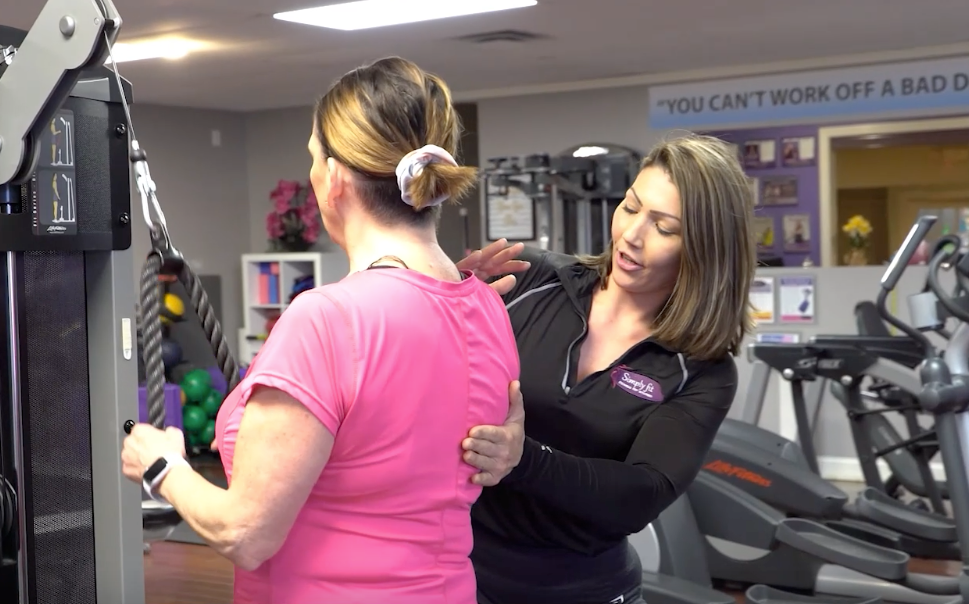
Working with a qualified trainer can help you learn how to move correctly, choose suitable weights, and progress at a safe pace.


Strength training may also help reduce injury risk by improving muscle strength, balance, coordination, and joint support.


Myth 10: You Need to Know What You Are Doing Before You Join a Gym

Everyone starts as a beginner.


You do not need to understand every machine, exercise, or piece of equipment before walking into a gym. Learning is part of the process.

Small group training or personal training can be especially helpful for women who want guidance, structure, accountability, and a welcoming environment. Having someone teach you the basics can make fitness feel much less overwhelming.


Strength Training Is for Every Woman

Strength training is not about fitting a certain image or lifting the heaviest weights in the room. It is about becoming stronger, moving with confidence, protecting your health, and feeling capable in your own body.


Do not let outdated myths prevent you from discovering what you can do.


At Simply Fit for Women, we create supportive, realistic workouts designed for women of different ages and fitness levels. Whether you are completely new to strength training or ready to take your routine to the next level, our trainers can help you get started safely and confidently.


Come try a class, meet our trainers, and discover how fun and achievable a healthy lifestyle can be. Your strongest, healthiest self is waiting.


Call or text: (603) 560-9303
Email:
info@simplyfit4women.com
When you are working toward a fitness goal, it can be tempting to believe that more exercise will al
By Crystal Demers July 14, 2026
When you are working toward a fitness goal, it can be tempting to believe that more exercise will always lead to faster results. While consistency is important, your body also needs time to recover. Rest days are not a setback or a sign that you are losing momentum. They are an essential part of becoming stronger, impr
By Crystal Demers June 15, 2026
Your weight does not show your strength, energy, confidence, body composition, or the healthy habits you are building. At Simply Fit, the focus is not just on losing weight. The goal is to help women build stronger, healthier, fitter bodies from the inside out
Making realistic choices, and staying consistent in a way that fits your lifestyle.
By Crystal Demers June 15, 2026
Staying on track does not mean missing out. It means finding balance, making realistic choices, and staying consistent in a way that fits your lifestyle.
When life gets busy, snacks can either help you stay on track or leave you feeling hungry again an h
By Crystal Demers June 5, 2026
When life gets busy, snacks can either help you stay on track or leave you feeling hungry again an hour later. That’s why high-protein snacks are such a smart choice, especially if your goals include fat loss, building strength, improving energy, or simply making better food choices throughout the day.
By Crystal Demers May 20, 2026
Why the Simply Fit Approach Works: Training, Nutrition, Mindset, and Accountability Together
By Crystal Demers March 28, 2026
As we age, we naturally begin to lose muscle mass. This gradual loss of muscle directly affects metabolism because muscle is metabolically active tissue. The more muscle you have, the more calories your body burns throughout the day — even at rest. When muscle decreases, your metabolism slows, your daily calorie burn d
By Crystal Demers March 10, 2026
One of the most common questions we hear is: Should I eat before I work out? The short answer? In most cases — yes . But what you eat, how much you eat, and when you eat it can make a big difference in how you feel and perform during your workout. If your goal is fat loss, strength building, or simply feeling energized instead of drained, understanding pre-workout nutrition is key. Why Eating Before a Workout Matters Your body needs fuel to perform. When you exercise — especially during strength training — your body primarily uses stored carbohydrates (glycogen) for energy. If those stores are too low, you may feel fatigued, lightheaded, weak, or unable to push yourself. Skipping meals before a workout can lead to: Lower energy Reduced strength output Poor recovery Increased muscle breakdown If you’re training hard but under-fueled, you’re not getting the full benefit of your workout. What Should You Eat Before a Workout? The best pre-workout meal or snack includes a combination of protein and carbohydrates. Carbohydrates provide quick energy. Protein helps preserve muscle and supports recovery. A few simple examples include: Greek yogurt with fruit A protein shake and a banana Toast with peanut butter Oatmeal with protein powder mixed in Eggs and a small portion of fruit You don’t need anything complicated or fancy. The goal is balanced fuel that’s easy to digest. How Long Before a Workout Should You Eat? Timing depends on how much you’re eating. If it’s a full meal, aim for about 2–3 hours before your workout. If it’s a small snack, 30–60 minutes beforehand is usually ideal. Everyone’s digestion is a little different, so this may take some experimenting. If you feel sluggish or uncomfortable, adjust timing or portion size. What If You Work Out Early in the Morning? This is common — especially for busy women balancing work and family. If you’re training first thing in the morning and don’t feel hungry, a small, easy-to-digest snack like half a banana, a few bites of yogurt, or a protein shake can be enough. Even a little fuel can improve performance compared to training completely fasted. Some women feel fine working out without eating first, especially for lighter sessions. However, for strength training and higher-intensity workouts, having at least a small amount of fuel usually leads to better results. Does Eating Before a Workout Slow Fat Loss? This is a major myth. Eating before a workout does not prevent fat loss. In fact, being properly fueled can help you train harder, lift heavier, and preserve muscle — all of which support fat loss long term. The key is your total daily nutrition, not whether you eat immediately before exercising. Under-eating consistently can actually slow metabolism, increase cravings, and stall progress. Proper fueling supports sustainable results. The Bottom Line If you want stronger workouts, better energy, improved recovery, and long-term fat loss, eating before your workout is usually a smart choice. You don’t need a large meal. You don’t need supplements. You just need simple, balanced fuel that supports your body. At Simply Fit, we don’t just focus on workouts — we help you understand how to fuel your body for real results. Strength training paired with proper nutrition is what creates lasting change. If you’re ready to stop guessing and start seeing progress, call us at (603) 560-9303 or visit us at 11 Manchester Road in Derry to schedule your first session. Let’s train smarter — and stronger — together!
By Crystal Demers February 9, 2026
Creatine is one of the most researched supplements in the fitness world—yet it’s still surrounded by myths, especially when it comes to women. Many women wonder: Will it make me bulky? Is it safe? Do I even need it? Let’s break down exactly what creatine does for women, the real benefits, potential side effects, and how to use it effectively. What Is Creatine? Creatine is a naturally occurring compound found in your muscles and brain. Your body produces it on its own, and you also get small amounts from foods like red meat and fish. Its primary role is helping your body produce energy—specifically during short bursts of high-intensity activity like strength training, sprinting, or interval workouts. Benefits of Creatine for Women 1. Increased Strength and Performance Creatine helps your muscles regenerate energy faster, which can lead to: Lifting heavier weights Completing more reps Improved performance during high-intensity workouts This doesn’t mean getting bulky—it means getting stronger. 2. Improved Lean Muscle Tone Creatine supports muscle development by allowing you to train harder and recover faster. For women, this typically results in: Better muscle definition A firmer, more toned appearance Improved metabolism due to increased muscle mass 3. Better Workout Recovery Creatine can help reduce muscle soreness and speed up recovery between workouts, making it easier to stay consistent with your training routine. 4. Cognitive and Mood Benefits Emerging research shows creatine may support brain health, focus, and mental fatigue—especially helpful for busy women balancing workouts, work, and family life. 5. Bone and Muscle Health as You Age Strength training is essential for long-term health, and creatine can support muscle and strength maintenance as women age, helping protect mobility and bone health. Common Myths About Creatine and Women “Creatine causes weight gain.” Creatine may cause a small increase in water retention inside the muscles—not fat gain. This often improves muscle fullness and performance, not the number on the scale long-term. “Creatine makes women bulky.” Women do not have the testosterone levels required to become bulky from creatine. Instead, it supports strength and lean muscle tone. “Creatine isn’t safe for women.” Creatine is one of the most studied supplements available and is considered safe for healthy adults when taken as directed. Potential Side Effects Creatine is well-tolerated by most people. Some women may experience: Mild bloating when first starting Digestive discomfort if taken in large doses at once Drinking enough water and sticking to the recommended dose helps minimize these effects. How Should Women Take Creatine? Recommended dose: 3–5 grams per day Timing: Any time of day works—many women take it post-workout or with a meal Loading phase: Not necessary Best type: Creatine Monohydrate (simple, effective, and well-researched) Consistency matters more than timing—daily use delivers the best results. Is Creatine Right for You? If you strength train, want to feel stronger, recover faster, and get more out of your workouts, creatine can be a powerful (and affordable) addition to your routine. As always, check with your healthcare provider if you have any medical conditions or concerns. Creatine isn’t just for bodybuilders—it’s a practical, science-backed supplement that can help women feel stronger, more confident, and more capable in their workouts and daily life. At Simply Fit, we focus on sustainable strength, confidence, and long-term health—not quick fixes or extremes.
By Crystal Demers February 9, 2026
Collagen has become one of the most talked-about supplements in wellness—and for good reason. From joint health to skin support, collagen plays a key role in how our bodies move, feel, and age. But what exactly is collagen, and how can it support your fitness and overall health? Let’s break it down in a simple, practical way. What Is Collagen? Collagen is the most abundant protein in the human body. It acts as a structural “glue,” helping support: Joints and ligaments Muscles and connective tissue Skin, hair, and nails Bones and tendons As we age, natural collagen production declines—typically starting in our mid-20s—which can impact recovery, joint comfort, and skin elasticity. Benefits of Collagen for Women 1. Joint and Tendon Support Collagen helps maintain the health of connective tissues that support your joints. For women who strength train, walk regularly, or stay active, collagen may help: Support joint comfort Improve tendon and ligament strength Reduce stiffness during movement 2. Improved Workout Recovery Collagen provides amino acids that support tissue repair, which can help your body recover more efficiently between workouts—especially important as training intensity increases. 3. Skin, Hair, and Nail Health Collagen is best known for its beauty benefits, including: Supporting skin elasticity and hydration Stronger hair and nails Reduced appearance of fine lines over time While collagen isn’t a magic fix, consistent use can support overall skin health from the inside out. 4. Bone Health Collagen makes up a significant portion of bone structure. Combined with strength training, adequate protein intake, and proper nutrition, collagen can support long-term bone health—especially important for women as they age. 5. Gut Health Support Some women find collagen helps support gut lining integrity, which may be beneficial for digestion and overall wellness. Collagen vs. Protein Powder: What’s the Difference? Collagen is a protein, but it’s not a complete protein, meaning it doesn’t contain all essential amino acids needed for muscle building. This makes it: A great supplement to protein, not a replacement Best used for joint, skin, and connective tissue support For muscle growth and strength, collagen should be paired with high-quality protein sources like whey, plant-based protein, or whole foods. How Should Women Take Collagen? Recommended dose: 10–20 grams per day Timing: Any time of day—many women add it to coffee, smoothies, or oatmeal Type to look for: Hydrolyzed collagen peptides Tip: Taking collagen with vitamin C can help support collagen synthesis Consistency matters—benefits are typically noticed after several weeks of regular use. Are There Any Side Effects? Collagen is generally well tolerated. Some women may experience: Mild digestive discomfort A feeling of fullness Choosing a high-quality product and starting with a smaller dose can help minimize these effects. Is Collagen Right for You? Collagen can be a great option if you’re: Strength training or staying active Experiencing joint stiffness or discomfort Interested in supporting skin, hair, and nail health Focused on long-term mobility and wellness As always, consult with a healthcare provider if you have allergies or specific medical concerns. Final Thoughts Collagen isn’t about quick fixes—it’s about supporting your body from the inside out. When combined with strength training, proper nutrition, and consistency, collagen can play a supportive role in helping women feel stronger, move better, and age with confidence. At Simply Fit , we believe fitness is about longevity, strength, and feeling good in your body—today and for years to come. Want guidance on supplements, strength training, and building a routine that supports your long-term health? The trainers at Simply Fit are here to help. Contact us today to schedule a consultation and start building strength that lasts.
By Crystal Demers January 10, 2026
Working out consistently is only half the battle—what you eat before and after your workouts can make a huge difference in your energy, performance, and recovery. Choosing the right snacks at the right time helps your body perform at its best and bounce back faster. Whether you’re hitting the gym, taking a fitness class, or squeezing in a quick home workout, these simple snack ideas will keep you fueled and ready to go. Why Timing and Nutrients Matter Pre-Workout: Your body needs carbohydrates for energy and a small amount of protein to prevent muscle breakdown. Eating too close to your workout can leave you feeling sluggish, so aim to snack 30–60 minutes before exercising . Post-Workout: After exercising, your muscles need protein to repair and grow, and carbohydrates to replenish glycogen stores. A post-workout snack within 30–60 minutes after your session can maximize recovery and set you up for your next workout. Easy Pre-Workout Snack Ideas Banana with Almond Butter – Quick carbs from the banana give you energy, and the almond butter adds a bit of protein and healthy fat. Oatmeal with Berries – A small bowl of oats provides long-lasting energy, while berries add antioxidants. Rice Cakes with Peanut Butter and Sliced Banana – Light on the stomach but packed with fuel for your muscles. Greek Yogurt with Honey and Fruit – Protein plus simple carbs make a balanced pre-workout snack. Quick Post-Workout Snacks for Recovery Greek Yogurt with Berries – Protein for muscle repair and antioxidants for recovery. Protein Shake with Banana or Berries – Fast and easy for on-the-go refueling. Cottage Cheese with Pineapple – Cottage cheese provides casein protein for muscle repair, and pineapple adds carbs and anti-inflammatory enzymes. Whole-Grain Toast with Avocado and Egg – A satisfying mix of carbs, protein, and healthy fats. Tips for Busy Women Prep in advance: Keep pre-portioned snacks ready in the fridge or pantry. Grab-and-go options: Bananas, protein bars, single-serve yogurt, or trail mix are perfect for on-the-run fuel. Listen to your body: Some people prefer a lighter snack if their workout is soon, while others need more substantial fuel.  Eating the right snacks at the right times can make your workouts more effective, help your muscles recover faster, and keep your energy levels steady throughout the day. Try these simple, nutritious options and see how much better you feel during and after your workouts.